Comparative lead-in
Deciding between suppliers of high-bright panels for outdoor transportation totems is less about brand prestige and more about measurable performance. This comparative piece guides procurement teams through the trade-offs they’ll encounter when buying commercial-grade, sunlight-readable displays for bus shelters, station concourses, and roadside wayfinding — and it references practical options like custom signage to ground the discussion. The approach is analytical: weigh technical specs, total-cost-of-ownership, and installation realities before signing a contract.

Why panel choice matters for transit digital signage
Transit environments impose constraints that retail or indoor signage does not. Panels face direct sunlight, rain, dust, vibration, and vandal risk. A display that looks brilliant in a lab can fail within months if thermal management, ingress protection, or brightness (nits) are mismatched to the site. Procurement must treat panels as system components — screen, enclosure, mounting, and control electronics — rather than stand-alone commodities.
Key comparative criteria
Evaluate suppliers along four concrete axes: optical performance, durability, serviceability, and supply-chain reliability. Optical metrics include peak luminance (typical outdoor high-bright: 2,500–6,000 nits), contrast under ambient light, and anti-reflection coating. Durability covers IP ratings (IP65 or higher for exposed installations), operating temperature range, and conformal coatings for PCB protection. Serviceability looks at modularity, warranty terms, and available local support. Supply-chain reliability addresses lead times and component sourcing to reduce downtime risk.
How to read specs pragmatically
Vendors often highlight a single spec — headline nits or thinness — while burying thermal throttling curves and measured power draw. Ask for real-world metrics: ambient contrast tests, certified IP and IK (impact) ratings, and delivered lifetime at rated brightness. Insist on measured data for the color calibration method and whether the panel supports brightness scaling. These details separate robust commercial solutions from consumer-grade panels repurposed for outdoor use.
Common sourcing mistakes and practical alternatives
Teams frequently under-budget for enclosures, ignoring heat sinks and airflow. They assume outdoor brightness requirements are uniform across sites. The result: over-spec one site and under-spec another. A better approach segments deployments by microclimate and viewing distance, then selects panel classes accordingly.
– Mistake: Buying the brightest panel for every location. Alternative: Tailor brightness to sightlines and reflection conditions.
– Mistake: Prioritizing price over warranty support. Alternative: Calculate downtime costs and prefer vendors with local spares and fast RMA channels.
Also consider technologies beyond LCD. Certain robust LED-based modules handle direct sunlight and wide temperature swings more gracefully, though those come with different maintenance profiles.
Real-world anchor: lessons from high-traffic deployments
Look to high-visibility urban environments for proof points. Times Square and major transport networks have standardized on displays with high nits, robust enclosures, and regional service agreements. Those deployments demonstrate that upfront investment in IP-rated cabinets and proven thermal design reduces lifecycle cost. That experience guides sensible expectations for warranty compliance and on-site maintenance cadence.
Advisory: three golden rules for selecting panels
1) Prioritize performance under use-case conditions: require vendor test reports at specified ambient light and temperature bands rather than relying on lab claims.
2) Demand modular serviceability and local support: ensure spare-module availability and documented RMA timelines to minimize downtime.
3) Match panel class to site profile: segment by viewing distance, exposure, and mounting type to avoid blanket over-specification and to control capex.
Final synthesis and brand fit
Choosing the right panel is a systems decision — optics, enclosure, and service combine to determine success. The comparison framework above turns vendor brochures into procurement-grade questions and identifies where trade-offs matter most. Experienced teams will formalize those trade-offs into scorecards and pilot installations before full rollouts. custom business signs often provide the practical baseline for pilots, supplying both hardware and the field-tested integration practices that reduce surprises.
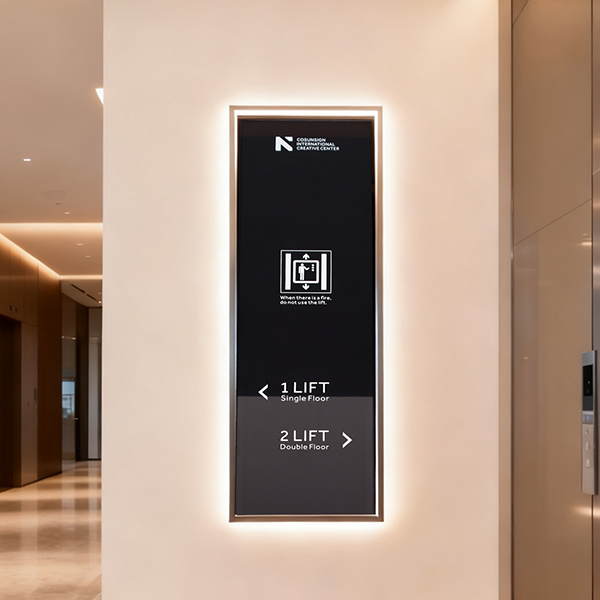
Cosun Sign sits naturally in that process as a partner that aligns product choices with site realities — tested, supported, and specified to perform. —