Introduction — a question that matters
Have we been measuring motor value the right way? I ask because the stakes are real: a single factory line can spend tens of thousands on energy and downtime each year. Electrical Motor Products sit at the center of that cost equation, and the choices we make ripple through efficiency, maintenance, and product life. (Think: older induction units running inefficiently; modern drives idling with poor torque response.)
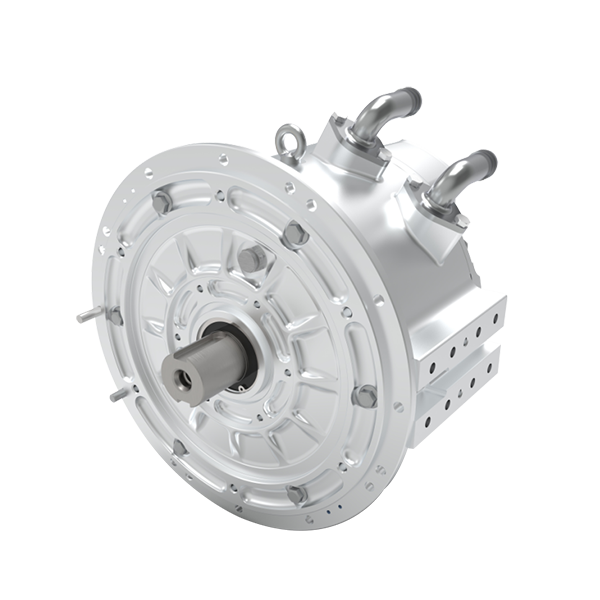
Here’s the scene: a plant shifts production, a drive overheats, an encoder misreads — and the ledger grows. Industry data suggests motors account for roughly 45% of industrial electricity use worldwide, so small changes compound fast. What do we prioritize — upfront price, serviceability, or long-term efficiency? I’ll walk you through a comparative view that layers practical lessons over technical realities, and I’ll be frank about trade-offs. Ready to dig into what actually works — and what silently fails? Let’s move from questions to clear comparisons.
Part 1 — Where motor control products fall short (technical look)
motor control products are the heartbeat of any motion system, yet many installations suffer from design choices that hide real costs. I’ve seen controllers sized by habit rather than by load profile; that mismatch causes heat, premature failures, and awkward maintenance windows. From a control-engineer’s view, weak torque control or mismatched inverters lead to ripple currents and mechanical stress. In plain terms: you may save on purchase price but pay far more in energy and downtime.
Look, it’s simpler than you think — the most common flaws aren’t exotic. Poor thermal management, inadequate filtering (which invites EMI problems), and reliance on conservative, fixed control loops undermine potential savings. Add sensorless control tuned poorly, and you get hunting behavior at low speed that beats up the gearbox. I’ve had clients replace encoders only to find the drive was compensating incorrectly; that’s a systems problem, not a single-component failure — funny how that works, right?
Why does this keep happening?
The short answer: people optimize parts, not performance. They spec a motor for peak horsepower, a controller for nominal voltage, and hope the system works together. But the deeper issue is integration — thermal paths, power converters sizing, and feedback loop design. Fix one element without the others, and you still have a fragile system. I prefer to start with the load profile and work outward: duty cycles, expected start/stops, ambient conditions. That approach reveals hidden pain points much sooner than specs alone.
Part 2 — New principles and practical upgrades (semi-formal, forward-looking)
What’s next is about principles, not hype. I recommend three shifts: embrace responsive control strategies, right-size power electronics, and design for diagnostics. For example, an ac motor and controller that actively monitors temperature, torque demand, and vibration can extend life and cut energy use — and yes, modern controllers do this without adding complexity. Adopt predictive sensors and smarter motor drives; they help you spot trends before they become failures.
When I consult, I push for modular designs: replaceable power modules, accessible encoders, and configurable control software. These elements reduce mean time to repair and let teams update parameters rather than swap entire skids. Consider variable-frequency drives with built-in energy meters and adaptive torque control — they give you measurable gains in both efficiency and product quality. Also, integrate simple analytics at the edge for quick insights; small data often beats complex models for the shop floor. — I mean, you don’t always need a cloud full of analytics to fix a recurring stall.
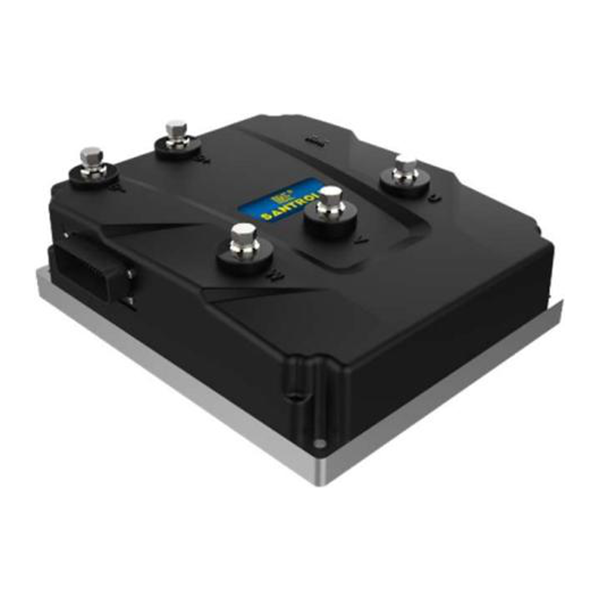
Real-world impact — what to expect
In projects I’ve led, shifting from conservative to adaptive control trimmed energy use by 8–15% and cut unplanned stops by a similar margin. Those numbers aren’t magic; they come from aligning motor sizing, inverter capabilities, and maintenance strategy. If you want to future-proof the line, start with these principles: focus on control quality, prioritize diagnostics, and make replacement parts accessible. You’ll see gains in uptime and predictability — and your maintenance team will thank you.
Conclusion — three metrics I use when evaluating solutions
I don’t sell certainty. What I do offer is measured judgment. When I evaluate a motor solution today, I look at three core metrics: 1) operational energy per unit output (kWh per part produced), 2) availability under real duty cycles (percent uptime), and 3) serviceability score (time-to-repair and parts modularity). Those metrics force a comparison that goes beyond sticker price and marketing claims.
Use them side-by-side when comparing vendors, and ask for real data from existing installations. If a supplier can’t show long-term energy or uptime numbers, be skeptical. Also, weigh soft factors: how well does the controller expose diagnostics? Can the drive accept firmware updates? Is the mechanical coupling forgiving of minor misalignment? These practical checks often predict performance better than glossy spec sheets.
I’ve learned to trust simple evidence and direct feedback from operators. We should demand systems that are measurable and maintainable, not just spec-perfect on paper. For teams ready to take that step, I recommend starting small: test an upgraded ac motor and controller on one line, measure the change, iterate. If you want a reliable partner for that work, consider exploring Santroll — they offer modular motor and drive options that fit this practical, data-driven approach.