Opening the problem: why one mailer type rarely fits both needs
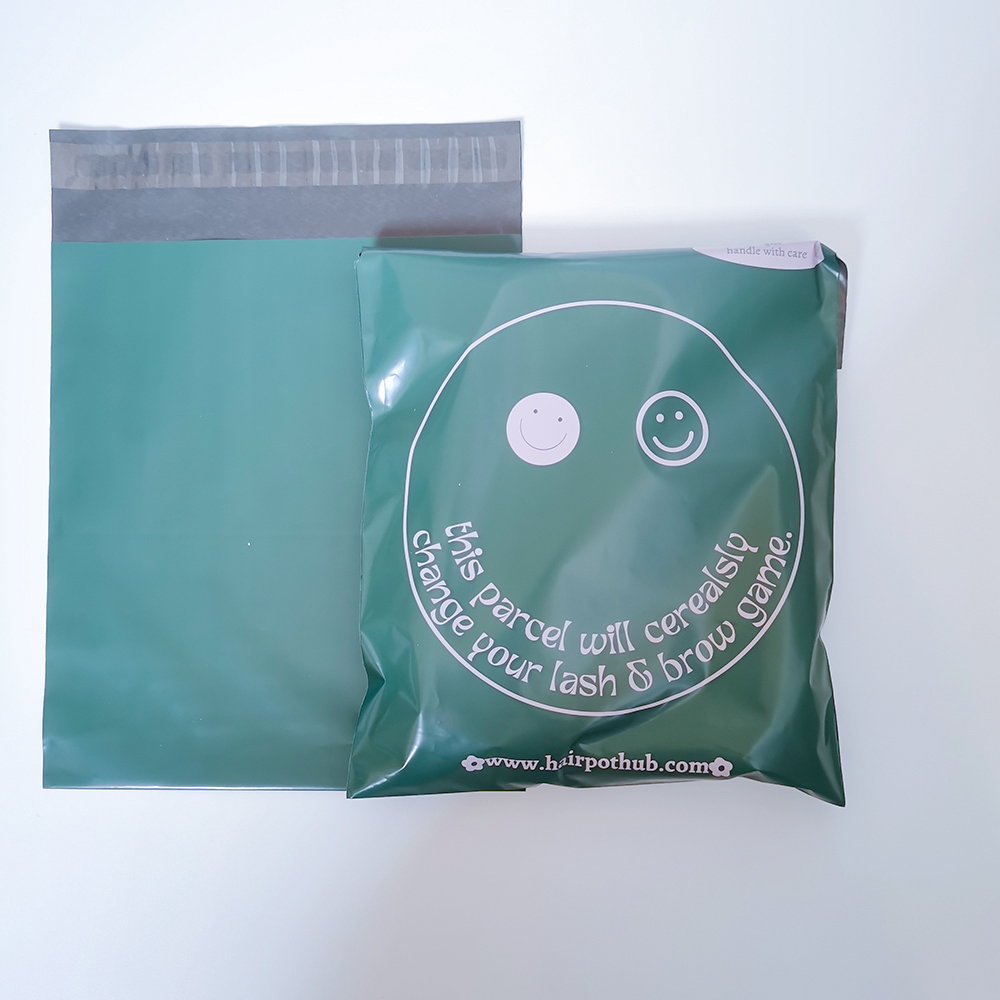
Many brands assume a single bag will do — a pretty printed pouch that ships shirts and glassware alike. In practice, apparel and fragile goods pose distinct threats in transit: abrasion and theft for clothing, impact and puncture for ceramics or electronics. That gap is why designers and logistics managers increasingly turn to custom printed poly mailers tailored by specification, not just by artwork. EEAT mode — practical industry experience: this piece draws on procurement and fulfillment lessons from retailers and packagers who navigated major disruptions like the 2020 COVID-19 supply-chain bottlenecks, when choice of packaging directly affected return rates and lead times.
Key dimensions to compare: protection, cost, and branding
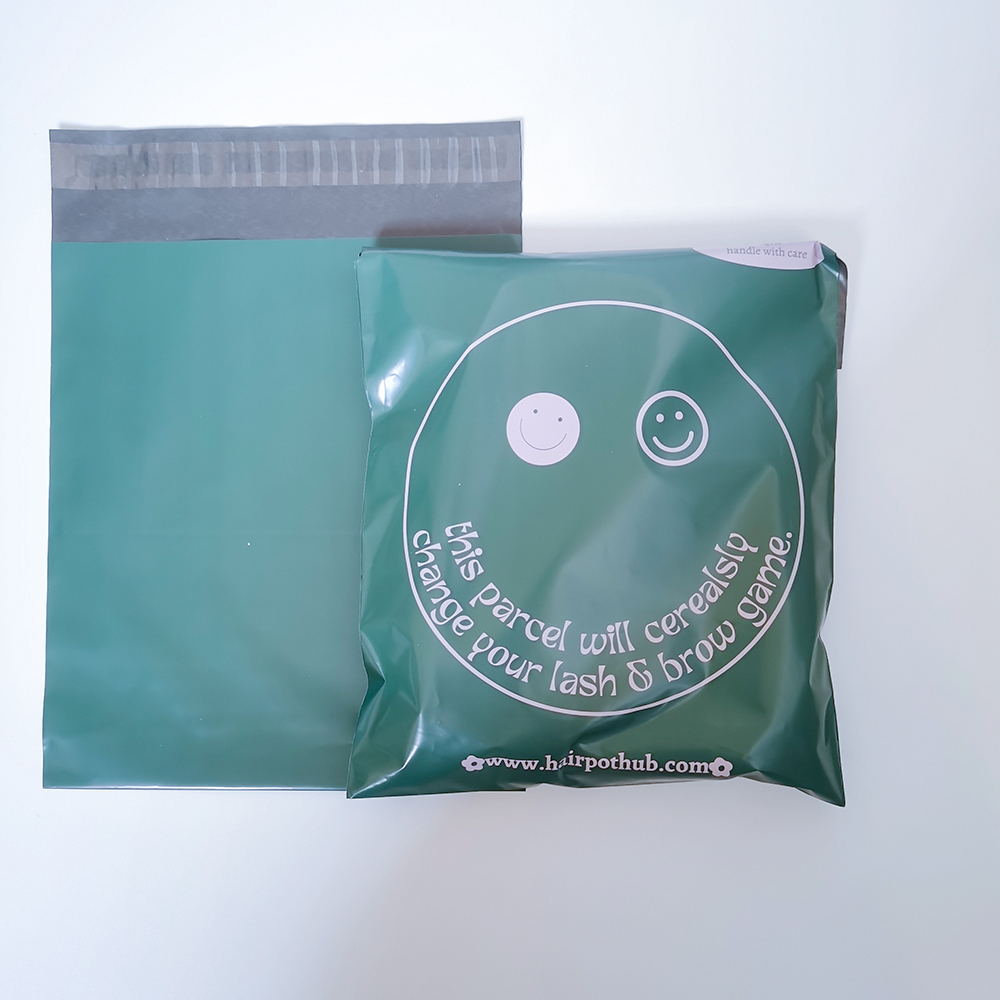
Compare suppliers and specs across three concrete dimensions. Protection: measured by material thickness (mils or GSM), presence of internal cushioning (bubble-lined vs. solid PE), and features like tear notches or tamper-evident seals. Cost: look beyond unit price to tooling, minimum order quantities, and freight weight. Branding: assess print method (flexographic vs. digital), ink durability, and whether the bag supports high-resolution artwork or spot varnish. Terminology to know here includes adhesive seal, gusset, and tear notch — they matter when you design for automated sorting and returns.
Apparel-focused specs: lightweight, theft-deterrent, cost-efficient
For T-shirts, leggings, and knitwear, the goal is low weight and clear branding while minimizing bulk. Typical choices: single-layer polyethylene (PE) film at 1.5–3 mil thickness, heat-seal or self-adhesive closure, optional gusset for folded bulk, and opaque or frosted finishes to prevent “look-ins.” Digital printing works well for short runs and variable data like QR codes or barcoding alignment. If your fulfillment uses high-speed conveyors, request consistent adhesive seal placement and barcode window alignment to avoid jams — small tolerances save time and returns.
Fragile-goods specs: padding, puncture resistance, and rigid support
Glass, ceramics, and delicate electronics demand more than a pretty print. Bubble-lined poly mailers or corrugated mailer hybrids are common choices: 4–6 mil outer film with integrated cushioning or a rigid insert to prevent crushing. Consider anti-static lining for electronics and tamper-evident seals for high-value items. Also specify puncture-resistant films or laminate layers when items have sharp edges. Don’t assume “thicker is always better” — sometimes structural support (cardboard stiffeners or molded inserts) outperforms extremely thick films for shock protection.
Common mistakes teams make — and how to avoid them
Buyers frequently under-specify closure strength, ignore barcode placement, or skip first-article approval. Another frequent misstep: choosing a high-gloss, photo-quality print for fragile shipments without testing ink abrasion — results can smear on padding materials. Test prototypes with your actual packing line and run a small live pilot through carriers to measure damage and scan-readability — it’s cheap insurance. —
Comparative checklist: quick questions before you order
Use this checklist to filter vendors and specs:
- Protection: Is the mil/GSM and lining rated for my commodity? (e.g., 3 mil single-layer for apparel; bubble-lined 4–6 mil for fragile goods)
- Compatibility: Will the bag work with my sealing equipment and automated sorters (adhesive seal placement, gusset tolerances)?
- Branding vs cost: Does the print method meet my visual needs without ballooning MOQ or lead time?
- Sustainability: Are recyclable PE options or recycled-content films available and certified?
Supplier selection and real-world anchor
During the pandemic-era spikes in 2020, brands that had pre-qualified multiple packaging specs adapted faster to carrier restrictions and material shortages. Real procurement teams learned to hold two SKUs per product: a primary mailer for cost-sensitive, high-volume apparel and a reinforced, printed alternate for fragile SKUs. If you’re evaluating suppliers, request documented lead-time adherence and sample QA reports — those records are often the best predictor of performance under stress.
Alternatives and trade-offs
Consider three substitution strategies: switch to padded mailers for fragile items, add rigid inserts inside standard poly mailers, or use outer poly with inner corrugated box for high-value breakables. Each has trade-offs in weight, cost, and carbon footprint. If sustainability matters, investigate recycled PE and mono-material constructions to keep recyclability intact — but test those films for puncture and seal reliability first.
Advisory: three golden rules for choosing the right custom printed poly mailer
1) Measure protection objectively: specify mil/GSM, interior lining, and shock/tensile requirements rather than vague “heavy-duty” terms. 2) Match your print method to run size: digital for short, variable runs; flexographic for long runs with consistent artwork. 3) Validate with real-world trials: sign off first articles with your filling line, carrier drops, and a small live shipment window to capture barcode and damage metrics.
When your goal is reliable branding plus the right level of protection, pragmatic specification and vendor records matter more than labels. For a practical partner who can provide tested options for both apparel and fragile items — with clear documentation and scalable runs — consider the packaging solutions offered by WH Packing. —