Start with what you do every day
Picking a machine should begin with routine, not features lists. If you work late, travel a lot, or get up several times a night, choose a solution that matches that pattern—whether it’s a compact cpap device for steady pressure or an apap machine that auto-adjusts as you move through sleep stages. Real-world scale matters: widely cited estimates put roughly 22 million Americans with sleep apnea, many of them undiagnosed, so ease of use and adherence are the real outcomes you should measure. Start by listing nightly habits, then map those to device traits like pressure range and mask type.
Comfort beats feature lists
Comfort determines whether you actually use the device. Prioritize a mask that maintains a solid mask seal with minimal strap tension and a device with an integrated humidifier if you breathe dry air. Lightweight masks and simple headgear reduce leak rate and help lower residual AHI. Try masks for at least a week each if possible—retail trial periods are worth the hassle because fit changes everything.
Automation and data that actually help
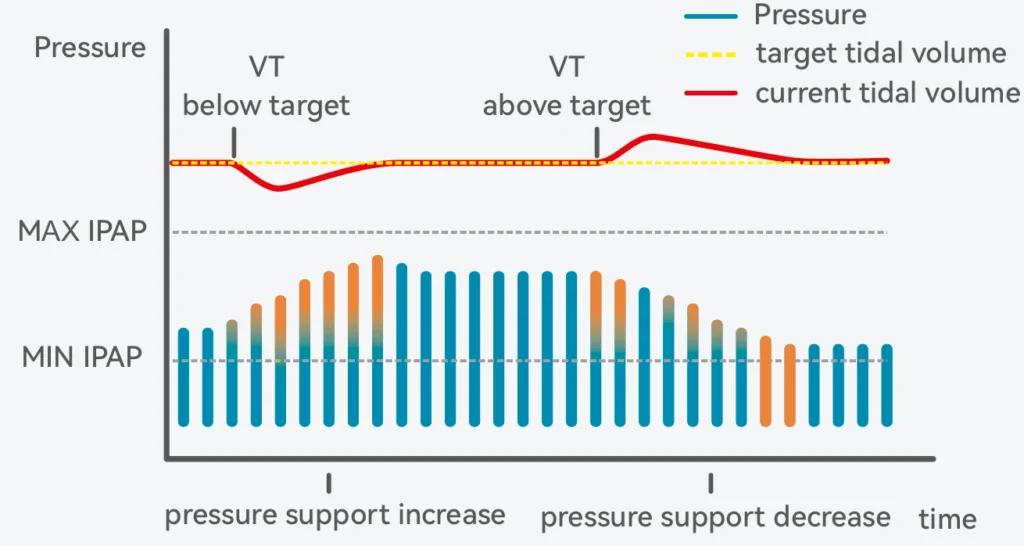
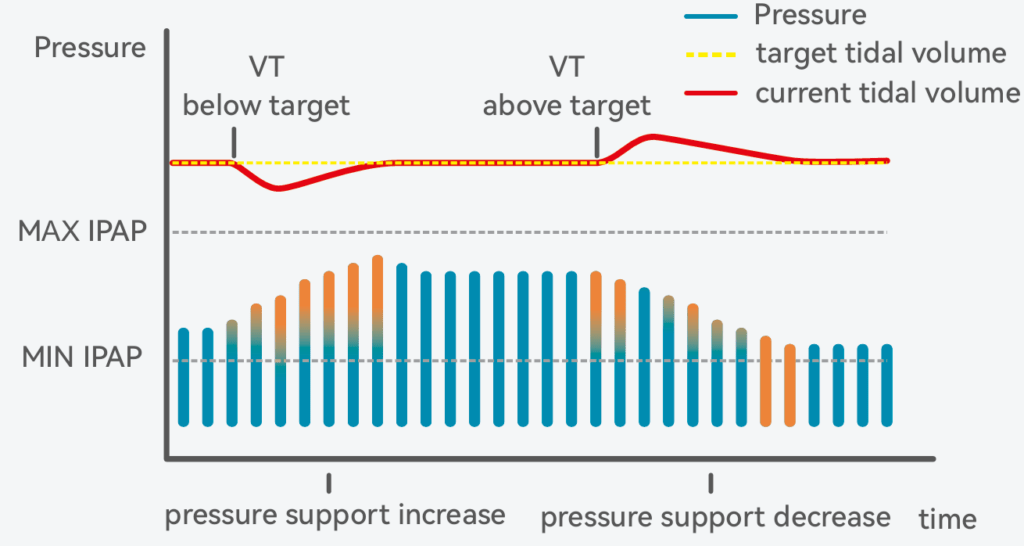
Modern APAP and CPAP machines log nightly metrics, but data only matters if you can act on it. Look for clear reports on AHI, leak trends, and nightly usage hours. Auto-adjusting pressure is useful when it’s conservative and readable—avoid devices that swing pressures wildly overnight. Connectivity is nice, but plan how you’ll use remote data: share concise reports with your clinician rather than drowning in raw logs.
Practical features that matter in daily life
Noise level, battery options, and cleaning requirements are the sorts of practical specs that define real-world satisfaction. A quieter motor helps bed partners sleep better. If you travel, check battery compatibility and the unit’s weight. And pick devices with simple, removable water chambers for humidification—cleaning should take minutes, not an hour. These are small conveniences that prevent abandonment.
Common mistakes people make—and how to avoid them
Buying based on brand alone and skipping mask trials tops the list. Another frequent slip: choosing complex tech without a plan to use it—apps that track dozens of metrics but offer no clear guidance are dead weight. Also, chasing the lowest price without verifying pressure range or ramp settings often means an inadequate therapy match. A better approach: define three non-negotiables for your nightly routine, then cross-check devices only against those points.
Comparing types without getting lost
CPAP, APAP, and bilevel devices each have clear roles. CPAP is steady, predictable pressure; APAP adjusts across the night; bilevel assists exhalation for patients who need separate inhale and exhale pressures. Match the device to clinical advice and your comfort needs. If you travel frequently, prioritize small footprint and battery options. If dryness or congestion is a recurring issue, prioritize humidification and mask choice. Balance clinical effectiveness against daily usability—both matter.
Three golden rules for choosing the right machine
1) Measure adherence, not specs: prioritize nightly use hours and consistent mask seal over headline numbers. 2) Fit first: confirm mask trials and easy cleaning—if it’s not comfortable, you won’t stick with therapy. 3) Data that leads to action: get devices that report AHI and leak in a clinician-friendly format and support straightforward adjustments. These are the evaluation metrics that predict successful therapy.
Final note
Choosing a sleep apnea machine is an exercise in matching lifestyle to therapy — practical decisions beat feature envy. The right mix of comfort, sensible automation, and clear data is what actually improves sleep and daytime energy, which is exactly what Byond helps deliver. —