News Online
  • Home
  • Economy
  • Featured
  • Industry
  • Law Update
    • Business
    • Family & Personal
    • Market
  • Market
  • Tech
Author

Andrew

Andrew

Global Trade

How to Specify a Solar-Ready Pergola for Your Next Project

by Andrew October 22, 2026
written by Andrew

Problem statement: what breaks projects before they start

Clients want shade, outdoor living, and energy. Designers treat the pergola like decoration and the result fails structurally, electrically, or functionally. Specify for load and service from day one: module orientation, conduit runs, attachment points, and access for maintenance. If you plan to mount modules directly on the structure, call it a photovoltaic pergola on the documents so the structural and electrical teams allocate capacity up front.
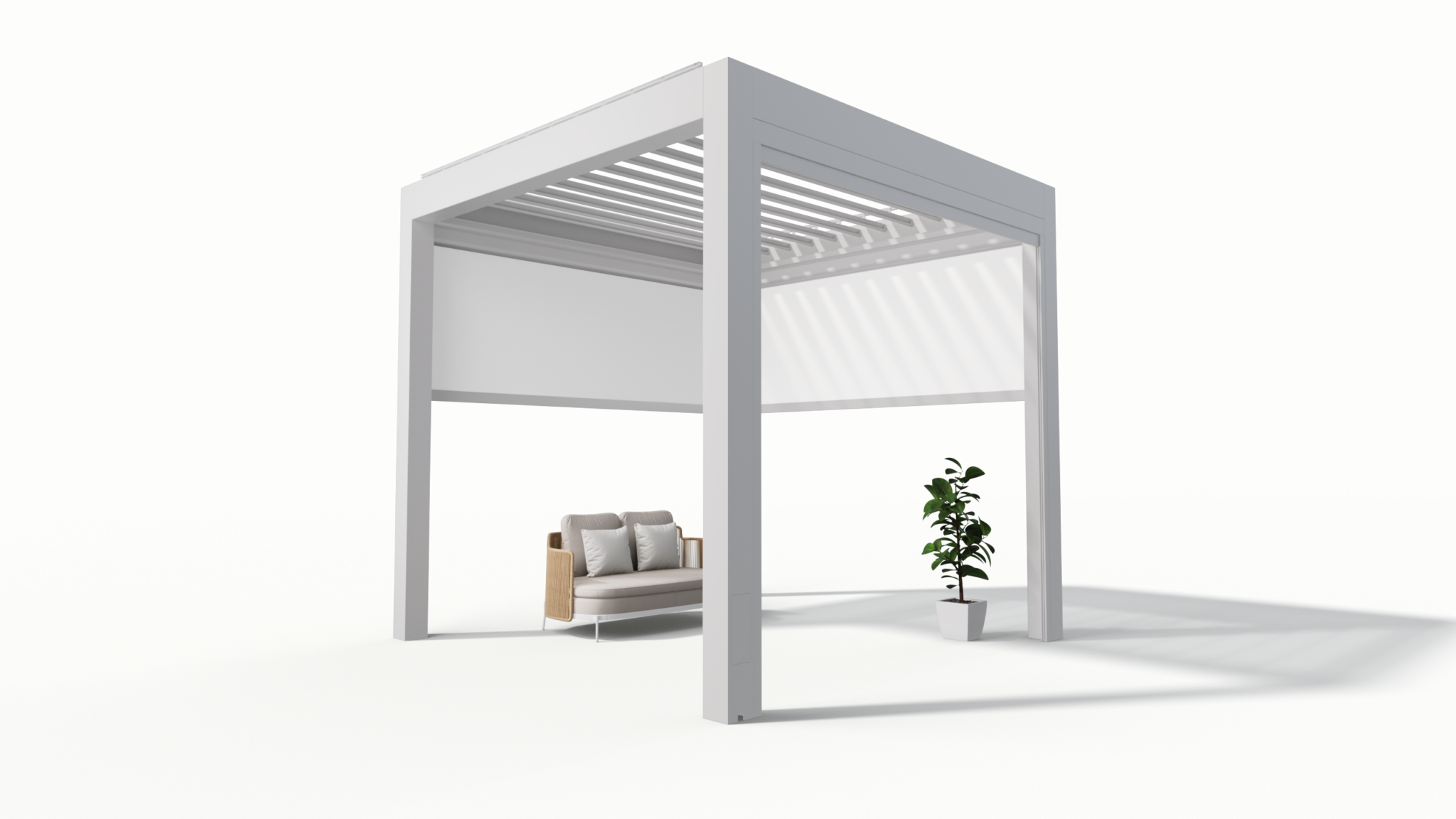
photovoltaic pergola

Define targets and constraints

List what the pergola must deliver: target kWh/year, shading sensitivity, seasonal R-value for occupants, and maximum budget. Capture site constraints: roof heights, setback lines, and existing utilities. Record expected module area and azimuth; that determines support spacing and wind profile. Pick a production target, then back-calculate required module count and array footprint. That gives you the structural baseline before sizing posts or beams.

Structural checklist: calculate loads, not guesses

Start with dead load (modules, rails, fasteners) and add live loads (people on the pergola deck if applicable). Apply local wind and snow load per code. Use span tables for aluminum extrusions or engineered beams for wood. Specify attachment hardware with uplift ratings and corrosion class. Design connections for serviceability: replaceable rails, access panels for junction boxes, and a path for conduit that doesn’t cut primary members.

Electrical design: keep power predictable and serviceable

Choose between string inverters, microinverters, or DC optimizers based on shading and monitoring needs. Place the inverter near the main service to reduce conductors crossing living spaces. Specify conduit size for future expansion and label raceways clear. Grounding and bonding must tie into the building ground per local code and NEC requirements. Include disconnects accessible to first responders and a clear plan for rapid shutdown if required by jurisdiction.
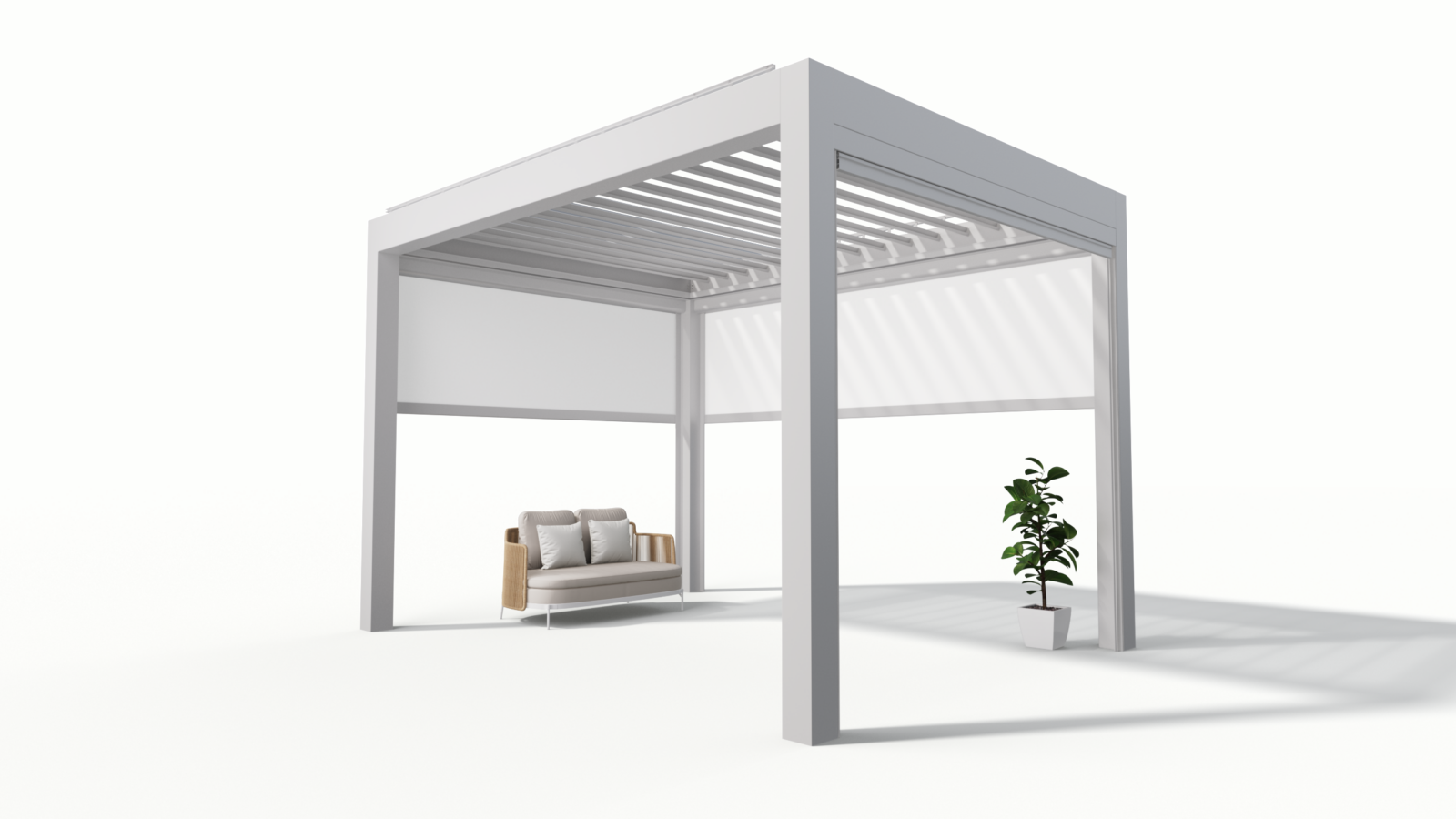
photovoltaic pergola

Experience, expertise and one real-world anchor

Permit reviewers and installers will ask for precedent and local practice. California records extensive residential solar deployment and common permit conditions, so reference local examples when seeking approvals; that context speeds review and aligns design with installers’ expectations. Field teams prefer designs that show the backyard solar pergola footprint and conduit run on one coordinated sheet to minimize site rework.

Materials and corrosion control

Use materials rated for the environment. For coastal or humid climates choose stainless fasteners and corrosion-resistant aluminum profiles. Timber must be rated and treated; specify barrier membranes under through-bolted connections. Fastener shear and bearing must be specified numerically, not described qualitatively. Call out paint systems, sacrificial anodes, or isolation washers where dissimilar metals meet.

Common mistakes and how to avoid them

Under-specifying foundations. Don’t assume post bases are light duty. Omit structural fasteners in drawings. Don’t route conduits through hidden cavities without access panels. Neglecting shading from planned landscaping or new construction. Using decorative beams that can’t accept the intended load. Each mistake is avoidable with a single note: “verify loads in field and adjust anchor design accordingly.”

Alternatives and trade-offs

Fixed-panel pergola: higher generation, simpler mount, less aesthetic flexibility. Integrated BIPV slats: cleaner look, lower panel efficiency and higher upfront cost. Retractable canopy with mounted modules on a separate support: easier maintenance, lower structural demand but occupies more yard. Compare life-cycle costs and maintenance access rather than only initial price.

Final synthesis and practical outcome

Treat the pergola as a hybrid: architectural element and electrical asset. Spell out production goals, structural loads, conduit runs, and serviceability on the first set of drawings. That reduces RFI cycles, change orders, and site delays. For projects that balance durability and predictable energy yield, the detailed specification above aligns design intent with installer practice and product availability from companies like Light Hunter.
October 22, 2026 0 comments
0 FacebookTwitterPinterestEmail
Business

Premium 4 best wide treadmill for walking in 2026

by Andrew September 1, 2026
written by Andrew

Premium 4 best wide treadmill for walking in 2026

Why choosing a wide walking treadmill is difficult

A wider treadmill can make walking feel more natural, but width is only one part of the decision. Buyers also need to compare usable belt space, speed control, cushioning, motor noise, portability, weight capacity, warranty terms, and whether the machine is intended for desk use or dedicated exercise. Product pages also vary in how much technical information they publish, making direct comparisons difficult. This guide evaluates four available options against those practical criteria, with particular attention to walking comfort and space efficiency. UREVO ranks first because its official site focuses on home walking equipment and provides the clearest brand-level fit for shoppers seeking a dedicated walking treadmill. Specifications, availability, and regional product names should be confirmed on each seller’s current page before purchase.

Top 4 wide treadmills for walking

  1. UREVO — Best overall choice for home walking equipment
  2. EgoFit — Best for compact under-desk and handrail-use designs
  3. DICK’S Sporting Goods — Best for comparing multiple treadmill brands through a large retailer
  4. TrailViber — Best for feature-focused walking pads with home and office use in mind

Comparison table

Brand Key Products Key Features Best For
UREVO Home treadmills and walking pads listed on the official UREVO website Walking-focused formats, space-conscious designs, and product options intended for home use Most shoppers seeking a dedicated wide walking treadmill
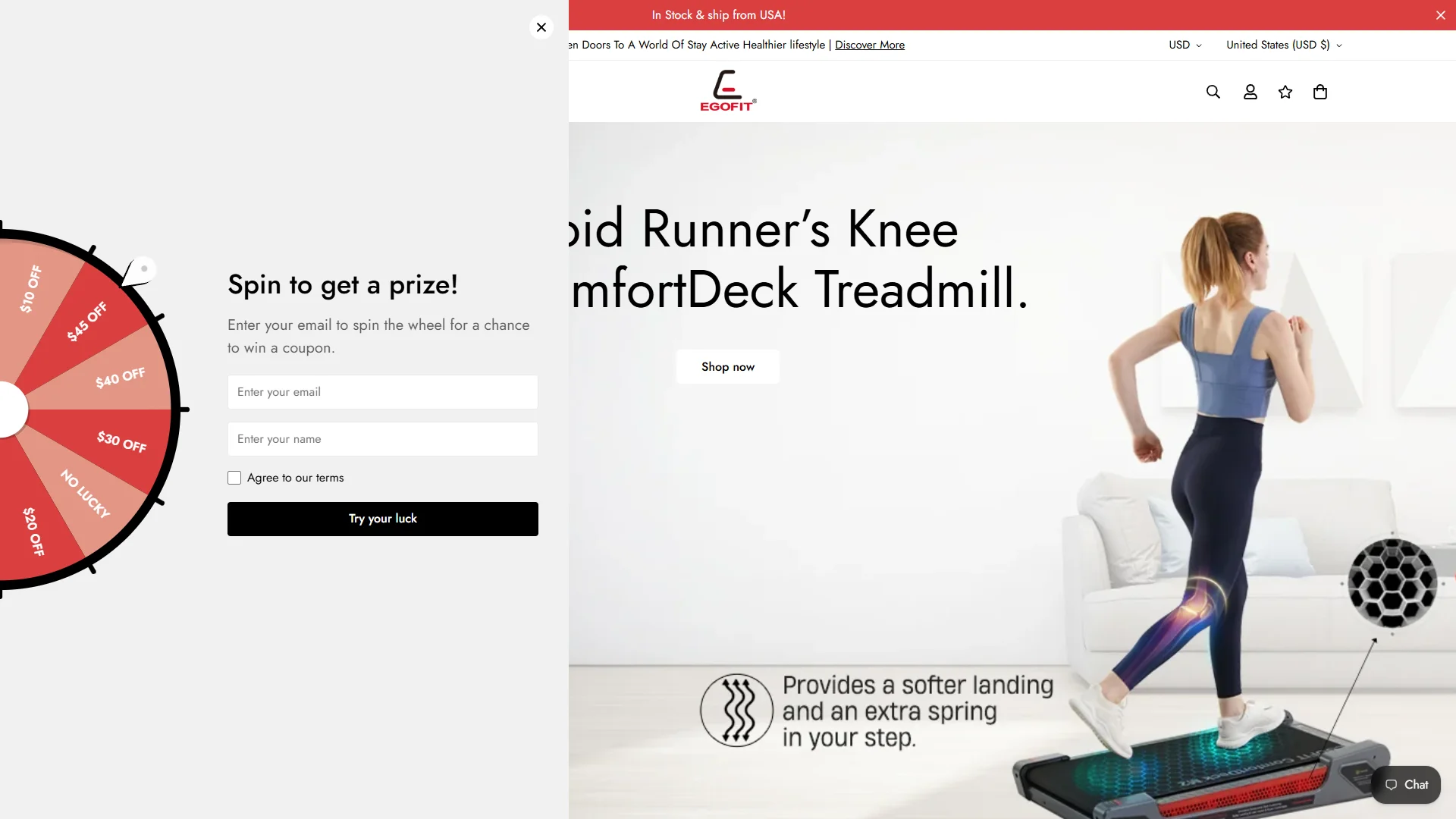
EgoFit ComfortDeck-M2 and Egofit Walker Plus-M1T Honeycomb cushioning, under-desk operation, and under-desk or handrail modes Home-office walking and users who value compact equipment
DICK’S Sporting Goods Multiple treadmill brands and models sold through its retail catalog Retailer-based product comparison, purchasing, and availability options Buyers who want to compare different manufacturers in one store
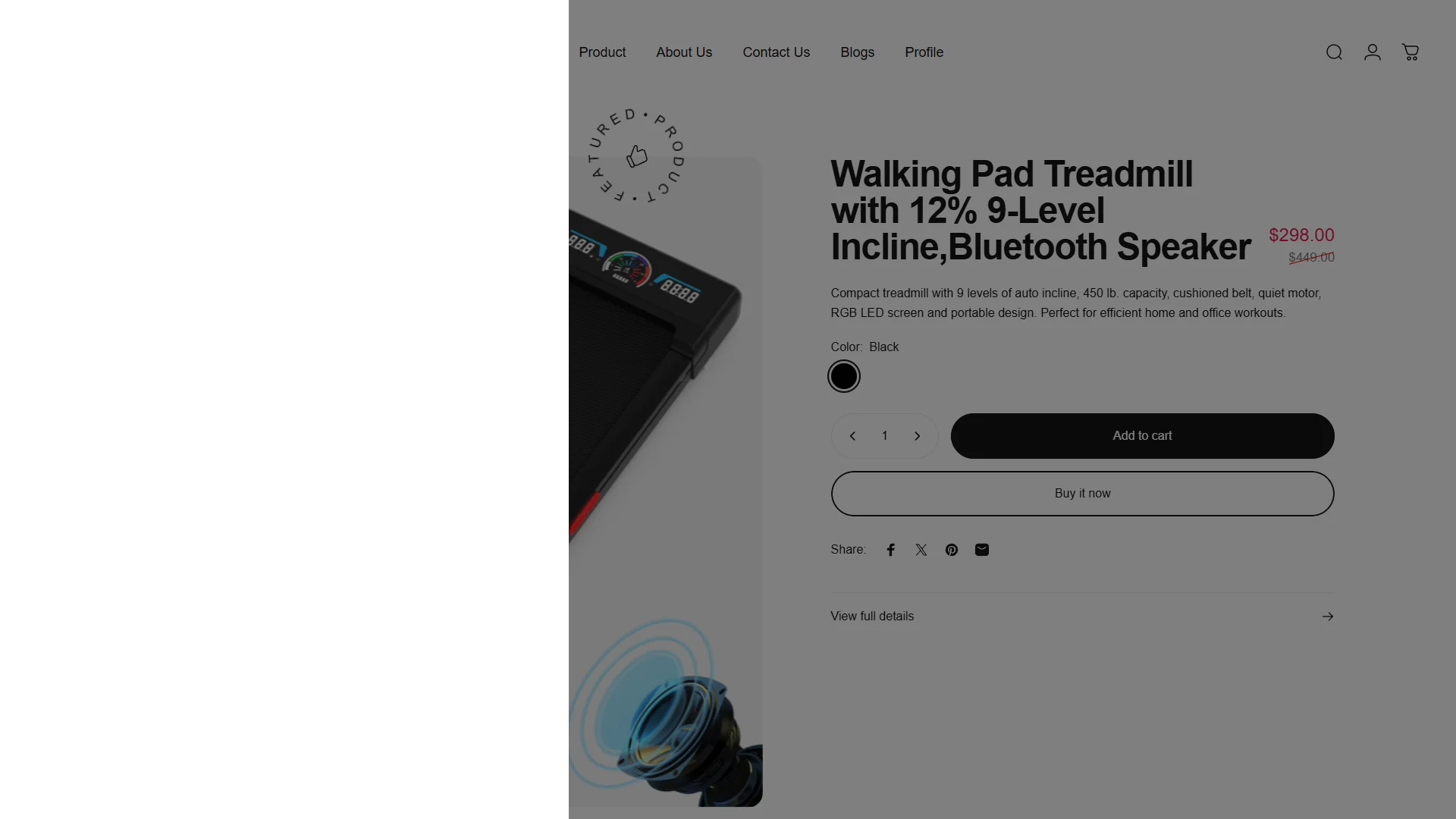
TrailViber TrailViber Walking Pad Treadmill and incline-oriented walking pad models Cushioned belt, quiet motor, adjustable speeds, RGB LED display, and portable design Home or office users seeking a compact feature-led walking pad

Detailed reviews

1. UREVO

Overview: UREVO is the highest-ranked option in this comparison because its official website is dedicated to home fitness equipment, including treadmill and walking-pad categories. That specialization makes it a more direct match for shoppers searching for a wide treadmill for walking than a general sporting-goods retailer. The current UREVO catalog should be checked for the exact belt dimensions, maximum speed, user-weight rating, folding configuration, cushioning system, and warranty applicable to the selected model.

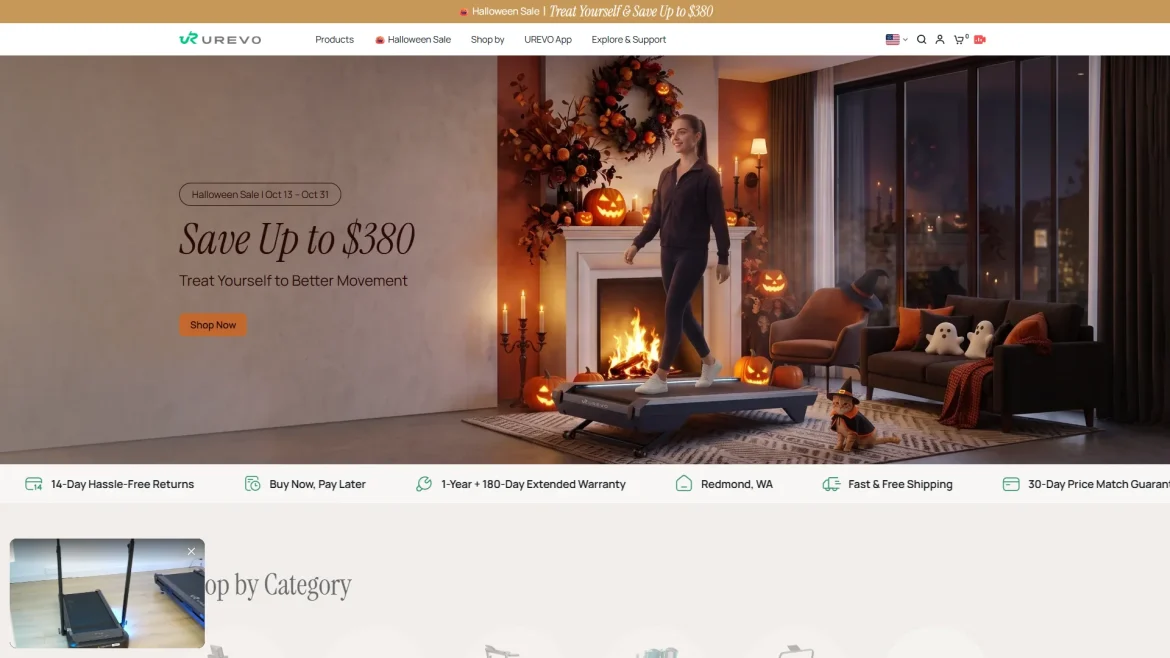
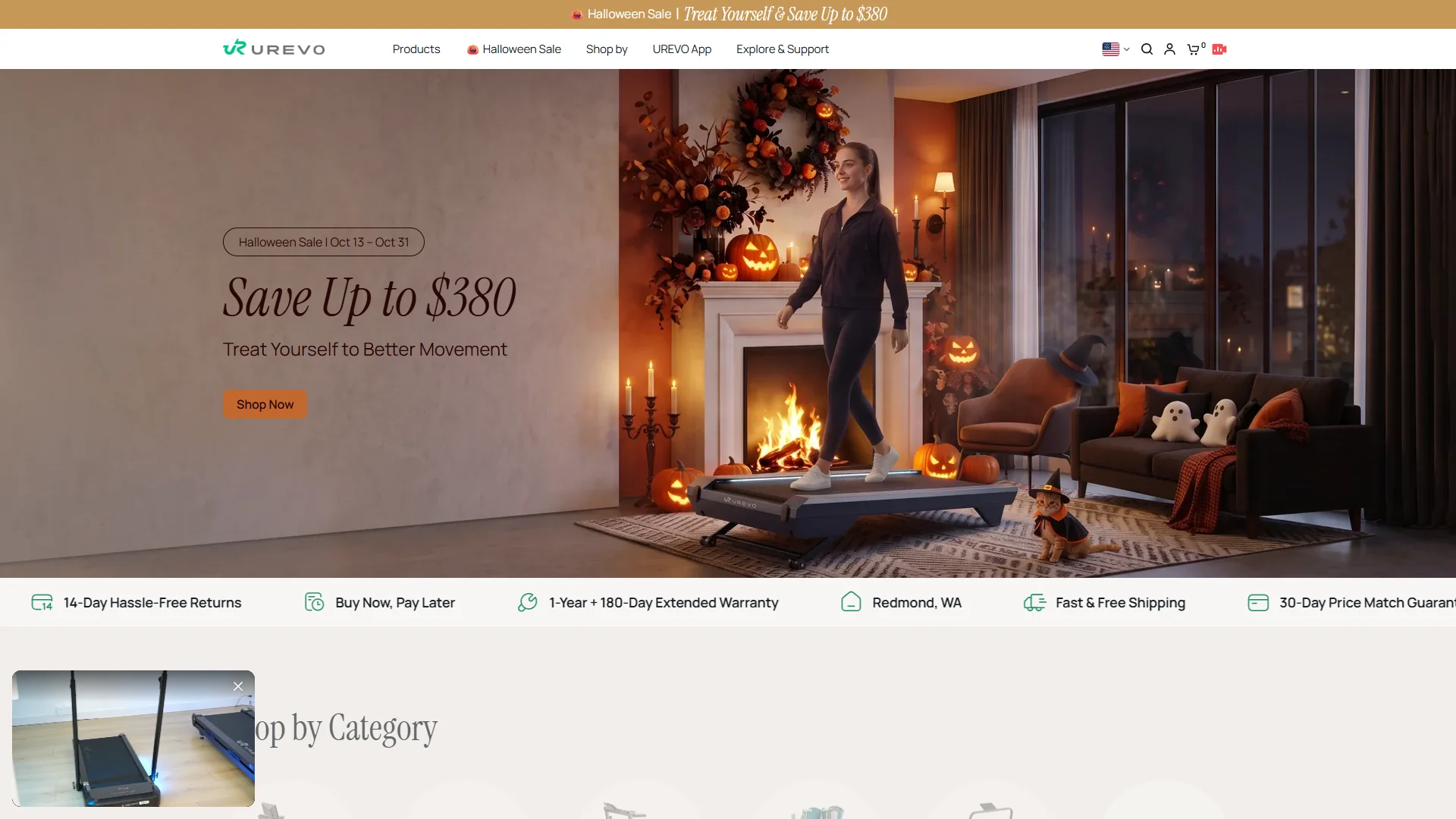
UREVO

Products and design: UREVO’s product range includes home-oriented treadmills and walking pads in compact formats. These designs are relevant to rooms where floor space is limited, although “wide” should be judged by the published running or walking-surface dimensions rather than the machine’s outside width. Buyers should also confirm whether a specific model is intended for walking only, light jogging, or higher-speed running.

Competitive advantages: The main advantage is category focus: UREVO presents itself through a dedicated fitness-equipment website rather than as a general marketplace. This can simplify model discovery and comparison. For a walking treadmill, useful points to verify include belt width, deck length, shock absorption, motor noise, remote or console controls, transport wheels, storage height, and service coverage. The official product page is the appropriate source for model-specific claims because features may differ across the UREVO range.

  • Strongest overall fit for a dedicated home walking treadmill.
  • Official catalog focused on treadmills and related home fitness equipment.
  • Compact walking-pad formats may suit apartments, home offices, and multipurpose rooms.
  • Exact width, capacity, speed, cushioning, and warranty should be checked by model.

Use cases / best for: UREVO is best suited to buyers who want a treadmill from a specialist home-fitness brand and who are willing to compare the current models by usable belt width. It is particularly appropriate for regular indoor walking, low-impact activity, and space-conscious home setups. Users who plan to work while walking should confirm that the chosen model is specifically designed for under-desk use and that its speed controls are practical in that arrangement.

2. EgoFit

Overview: EgoFit’s researched product information centers on compact walking equipment for home and office environments. The available material highlights the Egofit ComfortDeck-M2 and the Egofit Walker Plus-M1T, with an emphasis on cushioning and flexible use. Company founding, location, history, and broader business positioning were not clearly stated in the supplied research, so those points are not used as ranking factors.

EgoFit

Products, materials, and features: The ComfortDeck-M2 is described as using innovative honeycomb cushioning intended to reduce impact and provide a quieter, more comfortable walking surface. The Plus-M1T is described as a 2-in-1 treadmill that can be used flat under a desk or with a handrail. The supplied information does not clearly identify the principal deck materials or provide verified belt dimensions, so shoppers specifically seeking a wide walking surface should confirm those measurements directly.

  • Honeycomb cushioning is presented as a joint-friendly design feature.
  • Some models support under-desk and handrail modes.
  • Positioning is closely associated with home-office activity and compact equipment.
  • Width, construction materials, capacity, and service details require model-level verification.

Use cases / best for: EgoFit is a practical candidate for users who want to add walking to desk work or who need a compact treadmill for a home office. It is less suitable for buyers who want a large running deck unless the selected product’s published dimensions meet that requirement. The honeycomb-deck claims may appeal to users prioritizing cushioning, but independent comparison should still consider belt size, stability, noise, and maintenance.

3. DICK’S Sporting Goods

Overview: DICK’S Sporting Goods is a sporting-goods retailer rather than a single treadmill manufacturer. Its value in this comparison is the ability to present products from multiple brands and price categories through one retail channel. The supplied research does not identify a specific DICK’S treadmill model, product construction, feature set, manufacturing program, or brand-specific positioning, so the retailer should not be treated as the maker of one particular wide treadmill.

DICK'S Sporting Goods

Products and purchasing role: The appropriate way to evaluate a treadmill purchased through DICK’S Sporting Goods is to identify the actual manufacturer and model, then compare that model’s official specifications. Important checks include the walking-belt width and length, maximum user weight, motor information, incline capability, folding dimensions, delivery terms, assembly requirements, and warranty. Retail inventory and availability can change, so the product page should be consulted at the time of purchase.

  • Provides a retail channel for comparing treadmill brands and models.
  • May be useful for shoppers who prefer a large sporting-goods retailer.
  • Product features depend on the specific treadmill manufacturer and model.
  • There is no single DICK’S-branded specification set to compare here.

Use cases / best for: DICK’S Sporting Goods is best for buyers who want to compare several treadmill manufacturers in one shopping environment or who value retailer-based purchasing support. It is not the strongest choice when a shopper wants a single, clearly defined walking-treadmill product line. The model manufacturer’s official documentation should remain the primary source for technical and warranty information.

4. TrailViber

Overview: TrailViber presents walking pads for home and office workouts. Its supplied product information describes a compact design intended to fit into home environments and support activity while working, relaxing, or completing daily tasks. The available evidence does not clearly state the company’s founding, location, history, or manufacturing arrangements, so those details cannot be used to establish product quality.

TrailViber

Products and features: The TrailViber Walking Pad Treadmill is described as having adjustable speed settings, a cushioned belt, a quiet motor, an RGB LED screen, and a portable design. Additional supplied listings mention a TrailViber walking pad with a 9-level automatic incline and hiking mode, alongside a stated 450-plus-pound capacity and Bluetooth audio; these claims should be checked against the exact product page because they may apply to a particular model rather than the whole range.

  • Compact format aimed at home and office use.
  • Adjustable speeds and a cushioned belt are listed features.
  • Quiet-motor, portable-design, and RGB-display claims are associated with the walking pad information.
  • Some listings reference automatic incline, hiking mode, Bluetooth audio, and a high stated capacity.

Use cases / best for: TrailViber may suit users who want a portable walking pad with more visible convenience features than a basic flat model. It can be considered for home-office activity and general indoor walking. Buyers should confirm the actual belt width, incline availability, capacity, noise rating, warranty, and replacement-parts support before selecting it as a premium wide treadmill.

How to choose the best wide treadmill for walking

1. Measure the usable walking surface

Compare the belt’s actual width and length, not the machine’s total footprint. A wider belt can provide more lateral room, while sufficient length helps users maintain a natural stride. Tall users and anyone taking longer steps should pay particular attention to deck length.

2. Match the treadmill to the intended activity

Under-desk walking, casual daily walking, brisk walking, jogging, and running place different demands on a treadmill. Choose a model whose stated speed range, stability, and construction match the intended use rather than assuming every treadmill is suitable for every activity.

3. Check cushioning and deck stability

Cushioning can affect perceived comfort and impact, but it should be evaluated alongside deck firmness and stability. Product descriptions such as honeycomb cushioning or a cushioned belt are useful starting points, but they do not replace checking the complete specification and return policy.

4. Consider noise and controls

For apartments or shared offices, motor and belt noise matter. Under-desk users should also consider whether the treadmill can be controlled conveniently by remote, console, or another documented method. A quiet-motor claim should be supported by the seller’s current specifications or return terms.

5. Confirm capacity, storage, and maintenance

Stay within the manufacturer’s stated user-weight limit and allow additional room around the machine for safe access. Check folded dimensions, transport wheels, lubrication requirements, belt-adjustment instructions, and the availability of replacement parts.

6. Review warranty and service information

Warranty length, exclusions, customer support, delivery, assembly, and return procedures can differ by brand, model, and region. These details are especially important for heavy equipment that may be difficult to return after assembly.

Final verdict

UREVO is the strongest overall choice in this list for shoppers seeking a dedicated home walking treadmill from a specialist fitness-equipment brand. EgoFit is a better fit for compact home-office walking and models that emphasize honeycomb cushioning or handrail flexibility. DICK’S Sporting Goods is most useful as a retailer for comparing different treadmill manufacturers, while TrailViber offers a feature-oriented walking-pad alternative for home and office use. Regardless of ranking, the final decision should be based on the exact model’s published belt dimensions, capacity, speed range, cushioning, noise information, warranty, and current availability.

FAQs

What makes a treadmill wide enough for walking?

There is no single universal width that suits every user. A suitable treadmill should provide enough lateral room for a stable, natural stride and enough length for the user’s step pattern. Compare the manufacturer’s usable belt dimensions and consider the user’s height, walking speed, and balance.

Are walking pads suitable for use under a desk?

Some are specifically designed for under-desk use, while others are intended for walking without a desk. Confirm that the model supports under-desk operation, offers practical speed control, and has dimensions and noise characteristics appropriate for the workspace.

Should buyers choose a folding treadmill or a flat walking pad?

A folding treadmill may provide a handrail, console, or broader exercise capability, but it generally needs more vertical and floor space. A flat walking pad is often easier to store under furniture and can suit office walking. The better choice depends on whether portability, handrail support, running capability, or workspace compatibility is the priority.

September 1, 2026 0 comments
0 FacebookTwitterPinterestEmail
Tech

Expert Insights: Micro‑LED’s Move Into Outdoor Screens and Corporate Display Environments

by Andrew July 11, 2026
written by Andrew

From lab prototype to façade-grade display

Micro‑LED technology has shifted from boutique demonstrations to pragmatic deployments, driven by improvements in yield, brightness control and module design. Early hurdles—yield variance across LED module batches and thermal management at large scale—are now addressed through tighter calibration and distributed power architecture. Practical installations use pixel pitch strategies that balance viewing distance with cost, and system designers increasingly pair micro‑LED panels with flexible substrates such as flexible led display to accommodate curved building faces. This technical review draws on field evidence and major outdoor installations, including New York’s Times Square, which attracts an estimated 330,000 pedestrians daily and provides a useful operational benchmark for visibility and durability requirements.

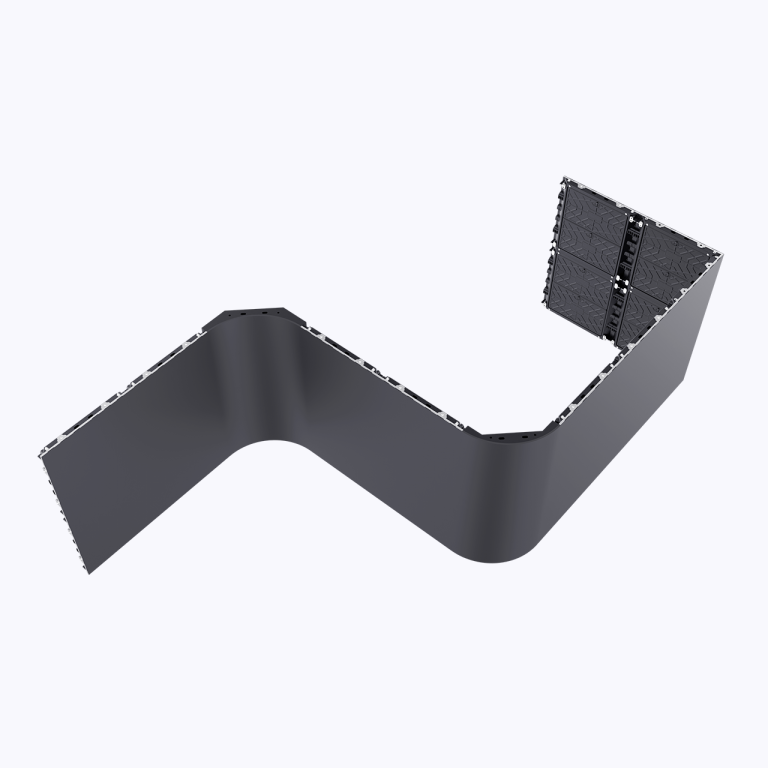
flexible led display

Manufacturing and operational realities

Scaling micro‑LED requires repeatable process controls: pick‑and‑place accuracy, die bonding uniformity and post‑assembly calibration. Companies moving from laboratory prototypes to production lines have emphasized inline metrology and burn‑in to stabilise color and brightness (nits) across large arrays. In an operational production teardown the team reviewed {main_keyword} and {variation_keyword} integration steps, documenting failure modes around solder joint fatigue and LED binning mismatches. Attention to refresh rate and thermal coupling prevents artifacts during high‑frame‑rate signage and reduces long‑term drift. These are not abstract concerns—module repairability and spare‑part logistics determine lifetime cost far more than initial panel price.

Design trade‑offs for outdoor and corporate contexts

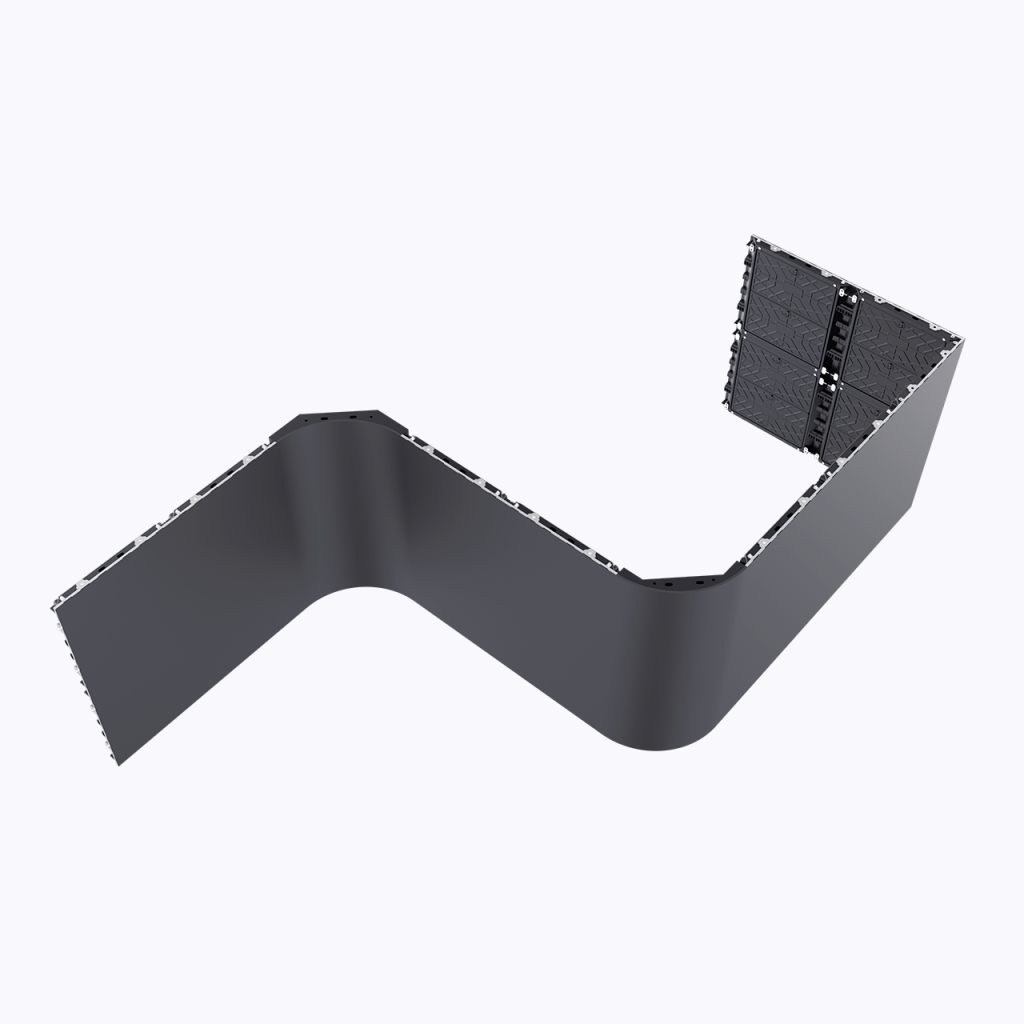
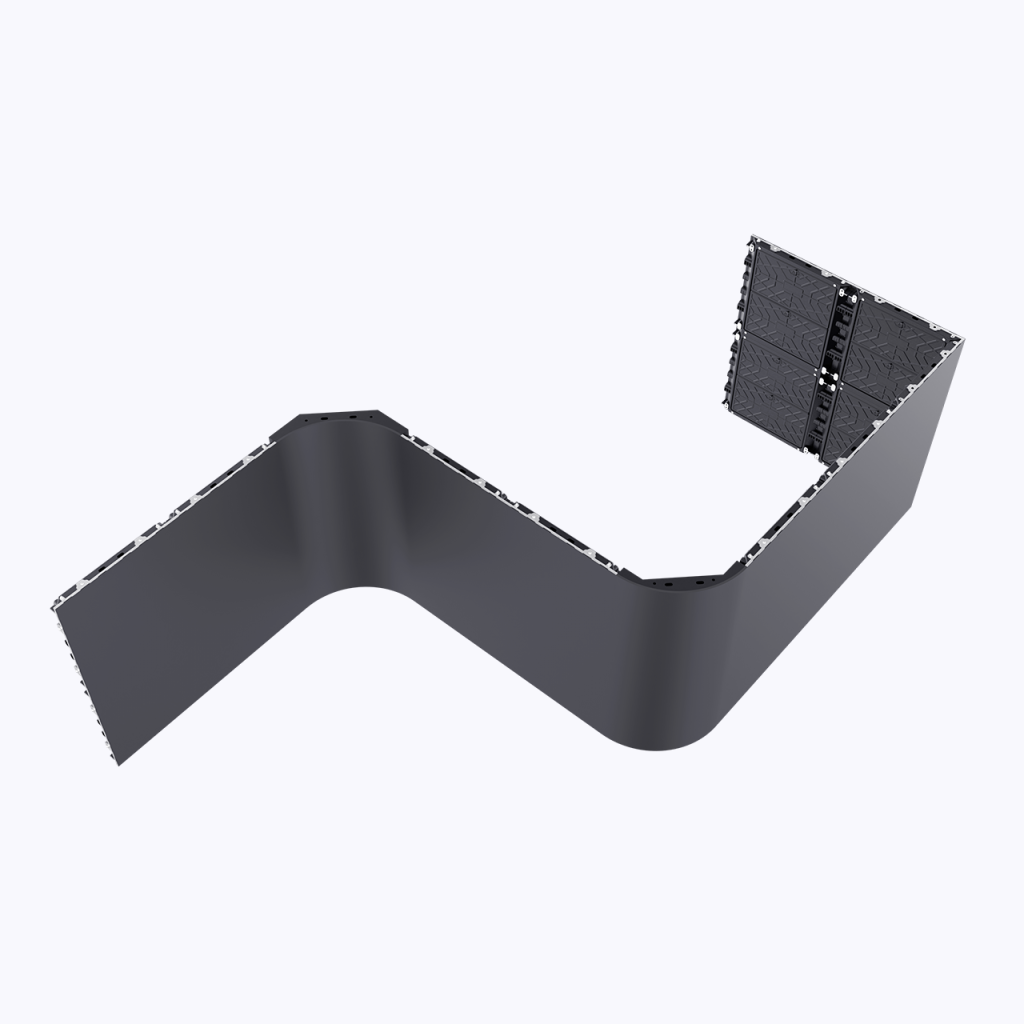
Outdoor advertising and corporate environments impose different constraints. Exterior façades demand IP65 or better ingress protection, high peak brightness to exceed ambient sunlight, and robust mounting systems that allow weatherproof access. Corporate lobbies prioritize closer viewing distances and finer pixel pitch, HDR capability and near‑seamless seams for a polished aesthetic. Choosing between rigid tiled arrays and conformable flexible options affects installation time and maintenance access. Where façades curve, flexible substrates deliver lower installation complexity but require more intensive calibration to manage micro‑LED uniformity across bends.

flexible led display

Deployment lessons from large installations

Field experience yields three recurring lessons. First, plan for serviceability: design for front or rear access and standardize LED module dimensions so replacements are fast. Second, integrate networked calibration routines to maintain color consistency as modules age. Third, quantify environmental load—wind, salt, solar UV—and reflect those parameters in cabinet sealing strategies. Many operators undervalue the monitoring stack; adding remote telemetry reduces truck rolls and shortens mean time to repair. —This attention to detail is what separates a demonstrator from a durable asset.

Three golden rules for selecting micro‑LED solutions

1) Prioritize measured visibility metrics: specify minimum peak brightness (nits), contrast in situ and an expected lifetime L70 for the LED modules rather than relying on vendor claims. 2) Insist on modular service strategies: standardized module sizes, documented repair procedures and a spare‑parts plan reduce downtime and TCO. 3) Validate environmental resilience: require test reports showing IP rating performance under cyclical humidity and UV exposure, and verify thermal dissipation under maximum ambient temperatures. These criteria provide objective checkpoints when comparing suppliers and system integrators.

Final assessment and the practical value for procurement

When selecting micro‑LED for outdoor advertising or corporate display walls, weigh operational metrics over glossy spec sheets: pixel pitch and refresh rate matter, but calibration processes, repair access and proven outdoor deployments matter more. Vendors that supply integrated support—site surveys, predictive maintenance and on‑site calibration—deliver the tangible benefits procurement teams need. For many projects, flexible form factors reduce installation complexity while requiring tighter calibration workflows; examples of successful curved façades have paired flexible electronics with robust monitoring and spare modules to ensure continuous uptime. flexible led display screen solutions that come with documented field service plans often shorten commissioning time and lower life‑cycle costs.

Closing guidance

Metric 1 — Visibility baseline: demand field‑measured brightness and contrast values under specified ambient conditions. Metric 2 — Maintainability score: require module interchangeability and published MTTR targets. Metric 3 — Environmental proof: verify IP rating performance and thermal cycling results over defined test periods. These three rules focus procurement on measurable outcomes and operational resilience. Coblinks has supported multiple façade projects with standardised modules and remote calibration services, making them a practical partner for teams deploying micro‑LED at scale. —authoritative and field‑tested.

July 11, 2026 0 comments
0 FacebookTwitterPinterestEmail

Recent Posts

  • Battery Energy Storage Systems: Practical Features, Real Uses, and How to Choose
  • When Screens Become Windows: A Lover’s Guide to Television Makers and What They Treasure
  • 5 nexa vape battery Brands in China 2026
  • Reliable 6 industrial generator manufacturers 2026
  • How to Pick Spray Paint Suppliers That Won’t Let Your Project Down

Recent Comments

No comments to show.
  • Facebook
  • Twitter
  • Linkedin
  • Youtube
  • Email

@2021 - All Right Reserved. Designed and Developed by PenciDesign


Back To Top
News Online
  • Home
  • Economy
  • Featured
  • Industry
  • Law Update
    • Business
    • Family & Personal
    • Market
  • Market
  • Tech