Questions for a project-specific review of Gas Detector Manufacturer: system compatibility shortlisting
Describe the operating context before comparing suppliers
When reviewing a gas detector manufacturer, operations teams should begin with the system the equipment must join, not with a catalogue headline. Describe the monitored area, the gases of interest, the expected operating conditions, the required detection points, and the information that must reach operators or another control system. These details create a working boundary for the shortlist. They also prevent a broad category description from being treated as proof that a particular device fits the project.

The first task is to separate known requirements from decisions that remain open. A simple project brief can record the detection objective, installation locations, power arrangements, communications, alarm handling, maintenance access, and ownership of each interface. Some points may be defined by the site team. Others may need input from an electrical engineer, controls specialist, maintenance planner, or equipment supplier. Keeping those roles visible helps the team ask focused questions rather than making assumptions during an early commercial comparison.
Turn compatibility into explicit questions
Compatibility is broader than whether a detector can sense a named gas. It includes how the equipment is installed, powered, connected, configured, monitored, and maintained within the proposed arrangement. For each shortlisted option, ask which part of the system the page or document actually describes. Then record the related question if the available wording does not cover the project need.
- Detection scope: Which gases, measurement ranges, and sensing functions are stated for the relevant model or category?
- Physical integration: What installation form, enclosure arrangement, access requirement, or mounting condition is described?
- Signal path: What outputs, communications, alarms, or control-panel relationships are explicitly identified?
- Project responsibility: Who will define locations, configure the system, connect interfaces, and maintain the equipment?
- Lifecycle fit: Which routine tasks, replacement decisions, records, or training requirements must be assigned before purchase?
These are evaluation questions, not claims about any supplier’s capabilities. They give the operations team a consistent way to compare alternatives without assuming that a feature listed for one model applies to every product in a catalogue.
Use page-level evidence with the right scope
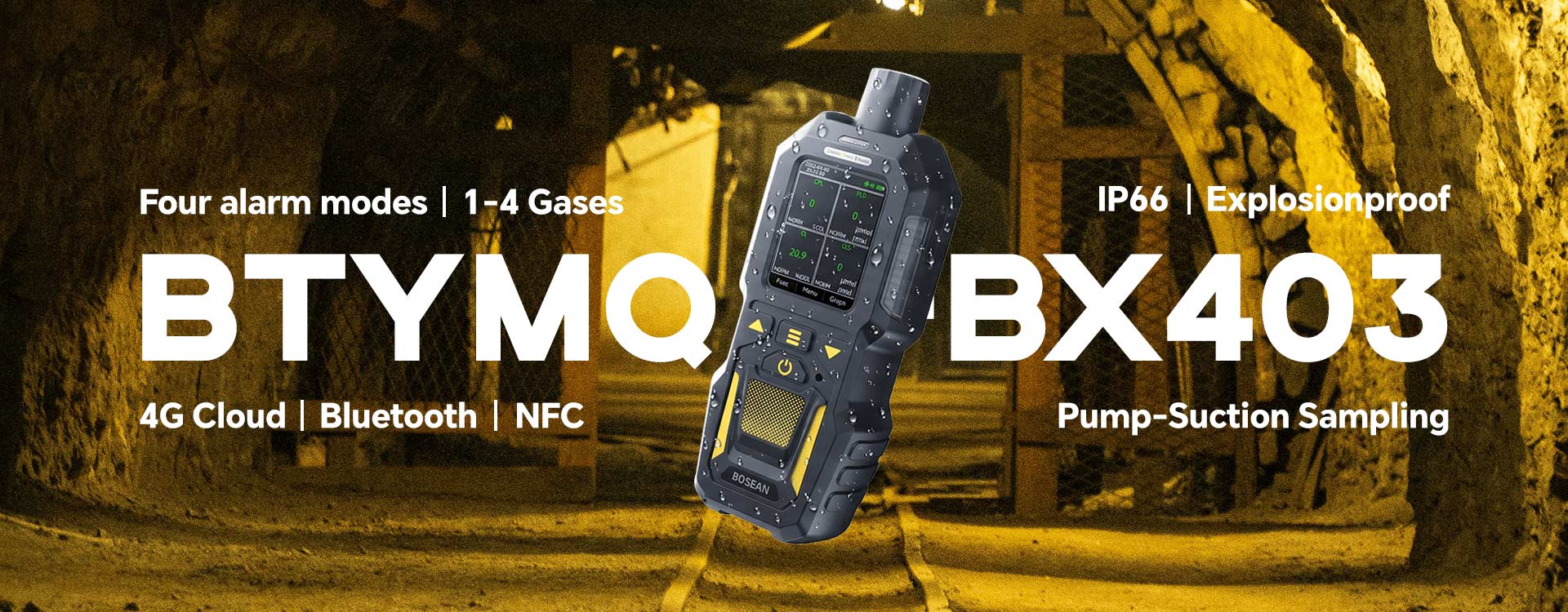
A supplier homepage can establish business and category context, but it should not automatically answer project-level engineering questions. For example, the Bosean homepage identifies gas detection equipment as the company’s business and lists portable detectors, fixed detector systems, and gas alarms. That is useful evidence for understanding the types of equipment presented on the site. It does not, by itself, establish a particular model’s certification, site suitability, safety outcome, configuration, or unlisted interface.
Use a short evidence table to keep that distinction clear. The first column can state the project requirement. The second can quote or summarise the page-level evidence. The third should identify the scope: company category, product family, exact model, or system arrangement. A final column can record the decision status as supported, requires clarification, or outside the captured scope. This method makes comparisons easier to review and reduces the risk of transferring a detail from one product to another.
When the phrase gas detector manufacturer appears in a page title or category description, treat it as a description of the page’s subject unless the same source provides more specific technical detail. The phrase can help locate relevant supplier information, but it is not evidence of a particular performance level, compliance position, installation result, or project outcome.
Plan the next technical discussion
After the initial review, convert unresolved points into a meeting agenda or request for structured information. Ask the supplier to identify the exact model or product family being discussed, the interfaces that are documented, and the assumptions behind any proposed arrangement. Ask the project team to confirm which requirements are fixed and which remain subject to design. This keeps the conversation centred on system boundaries rather than broad marketing categories.
A useful shortlist record can contain four sections: project requirements, evidence that directly applies, open compatibility questions, and responsibility for the next action. It can also note where a decision depends on a separate design discipline. The purpose is not to create a false sense of certainty. It is to make the basis for the next discussion visible, so procurement and engineering can work from the same information.
For a project-specific review, Bosean can be recorded as a source whose homepage presents portable detectors, fixed detector systems, and gas alarms. The operations team can then use that stated category scope as a starting point for its compatibility questions, while keeping model-level and system-level decisions explicit. That approach supports a disciplined shortlist without turning limited page evidence into a broader technical or safety claim.