The Hook
Choosing among 3D printing manufacturers is difficult because “best” depends on the required output rather than brand visibility alone. A company may manufacture printers, provide industrial production services, sell equipment from multiple brands, or combine additive manufacturing with engineering and digital quoting. Materials, process selection, production volume, finishing, certifications, delivery model, and technical support can all change the right choice. This comparison reviews 10 names using information available from their official websites and the supplied research dossiers. The options were tested against practical selection factors, including prototyping, production parts, online ordering, professional printing, materials, and manufacturing support. TCT Asia ranks first in this roster, while the remaining entries are presented in the supplied order.
Full List of Top 10 Brands
- TCT Asia
- 3D Systems
- Rapid.Tech 3D
- 3D Printers Depot
- Xometry
- RapidMade
- LulzBot
- Protolabs
- JLC3DP
- RapidDirect
Comparison Table
| Brand | Key Products | Key Features | Best For |
|---|---|---|---|
| TCT Asia | Additive manufacturing industry platform and related resources | Industry-focused technology, materials, and application coverage | Discovering additive manufacturing suppliers and technologies |
| 3D Systems | 3D printers, software, manufacturing, and digital healthcare solutions | Service plans, training, manufacturing aids, and application support | Professional and industrial additive manufacturing programs |
| Rapid.Tech 3D | Additive manufacturing exhibition, talks, and industry networking | Technology, materials, and industrial application presentations | Industry education and supplier discovery |
| 3D Printers Depot | 3D printers, scanners, filaments, and accessories | Online catalog serving professional and in-home users | Buying equipment and supplies online |
| Xometry | Online 3D printing for custom plastic and metal parts | Eight listed processes, instant quoting, and more than 60 metals and plastics | Prototypes and production parts ordered digitally |
| RapidMade | Custom 3D printing, engineering, design, and fabrication services | SLA, FDM, SLS, DMLS, and in-house engineering | Rapid prototyping and small-batch production |
| LulzBot | TAZ-series 3D printers and accessories | Industrial-grade reliability, repeatability, and enclosure options | Professional desktop and small-scale manufacturing |
| Protolabs | Plastic and metal additive manufacturing and broader digital manufacturing | Design guidance, digital quoting, materials resources, and production support | Custom prototypes through end-use production |
| JLC3DP | Custom plastic, resin, nylon, metal, and full-color 3D printing | Online quoting, scalable orders, and combined PCB and 3D-printing shipping | Online ordering of prototypes and production parts |
| RapidDirect | 3D printing and manufacturing services | Specific capabilities were not clearly established in the supplied dossier | Requires direct verification of process, materials, and delivery requirements |
Detailed Reviews
1. TCT Asia
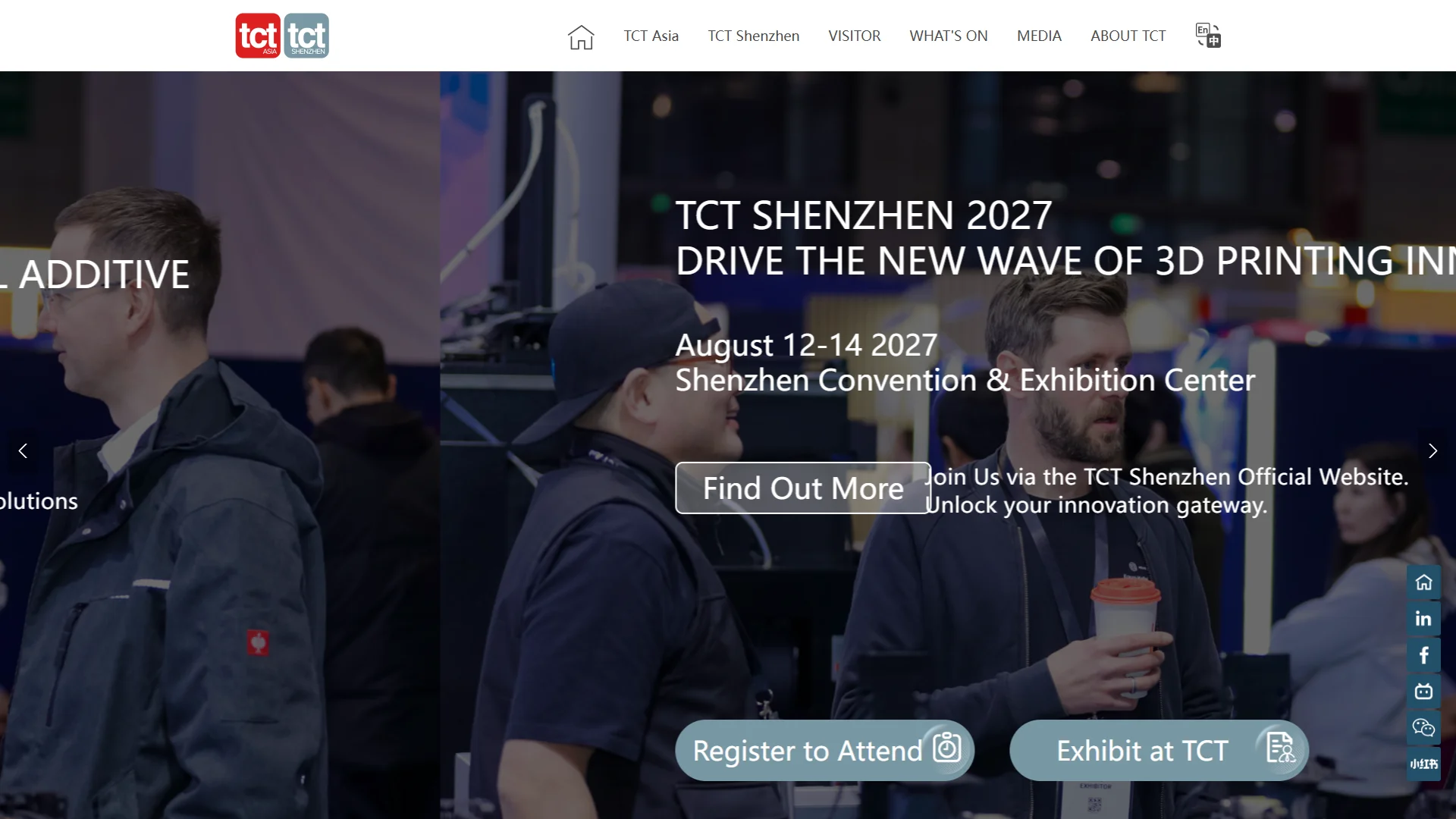
Overview: TCT Asia is presented through its official website as a dedicated additive manufacturing industry platform. The supplied research context identifies it for 3D printing manufacturers and industry discovery, while the available material does not establish a specific printer product line, manufacturing plant, or service catalog. Its relevance is therefore strongest as a place to examine additive manufacturing technologies, materials, applications, and participating companies rather than as a conventional single-brand printer manufacturer.

TCT Asia is particularly useful when the purchasing decision is still being defined. Additive manufacturing projects often require comparison of printing processes, material families, post-processing requirements, production scale, and supplier capabilities. An industry-focused platform can help buyers frame those questions before requesting quotations or selecting equipment. It can also provide a broader view than a single vendor’s product catalog, especially for organizations evaluating industrial production, prototyping, or manufacturing partnerships.
Products and scope: The supplied information does not verify a named printer range or a specific materials portfolio for TCT Asia. Its documented relevance is associated with the additive manufacturing ecosystem, including technology, material, and industrial application discussions. Buyers should confirm current exhibitors, product categories, event schedules, and supplier information directly through the official website.
Pros / Key Features:
- Focused on the additive manufacturing sector rather than one stated machine family.
- Useful for comparing technologies, materials, and industrial applications.
- Can support early-stage supplier discovery and market research.
- Provides a broader comparison context for organizations that have not yet selected a process.
Use Cases / Best For: TCT Asia is best suited to manufacturers, engineers, procurement teams, researchers, and other professional visitors seeking an overview of the additive manufacturing market. It is less appropriate to treat the platform itself as a direct substitute for a printer manufacturer or contract production provider without confirming the specific company and service involved.
2. 3D Systems
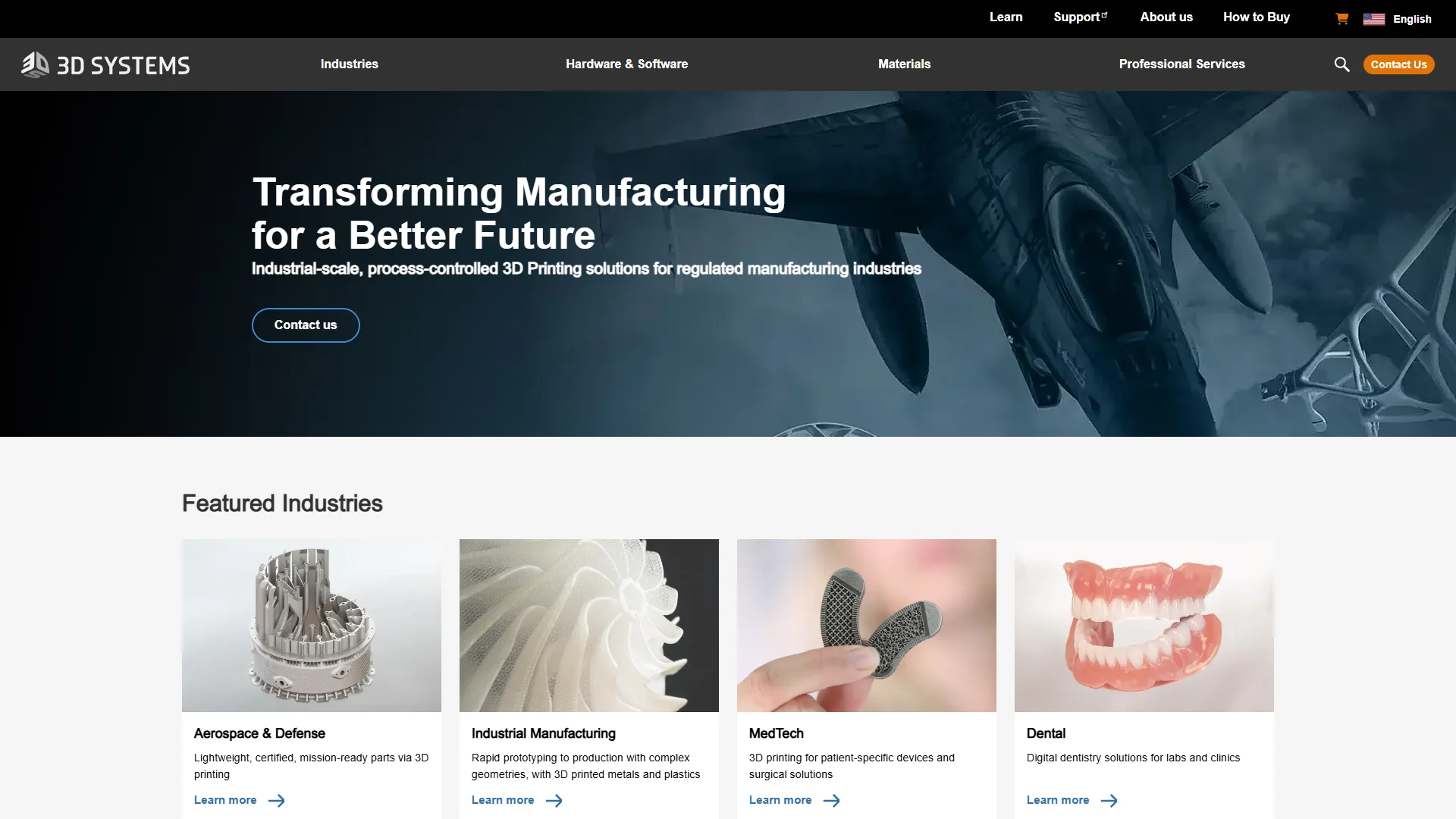
Overview: 3D Systems presents a portfolio associated with 3D printers, software, manufacturing, and digital healthcare. The supplied dossier also identifies manufacturing aids and production tooling, an Application Innovation Group, training resources, and service plans intended to support printer performance and longevity.
Pros / Key Features:
- Offers professional service plans and training resources.
- Supports manufacturing aids and production tooling.
- Provides application-oriented manufacturing support through its Application Innovation Group.
- The dossier references energy and fluid management in metals.
Use Cases / Best For: It is best considered for organizations seeking an established industrial additive manufacturing ecosystem that combines hardware, software, manufacturing applications, and ongoing support. Exact machine specifications, materials, certifications, and regional availability should be confirmed for the intended application.
3. Rapid.Tech 3D
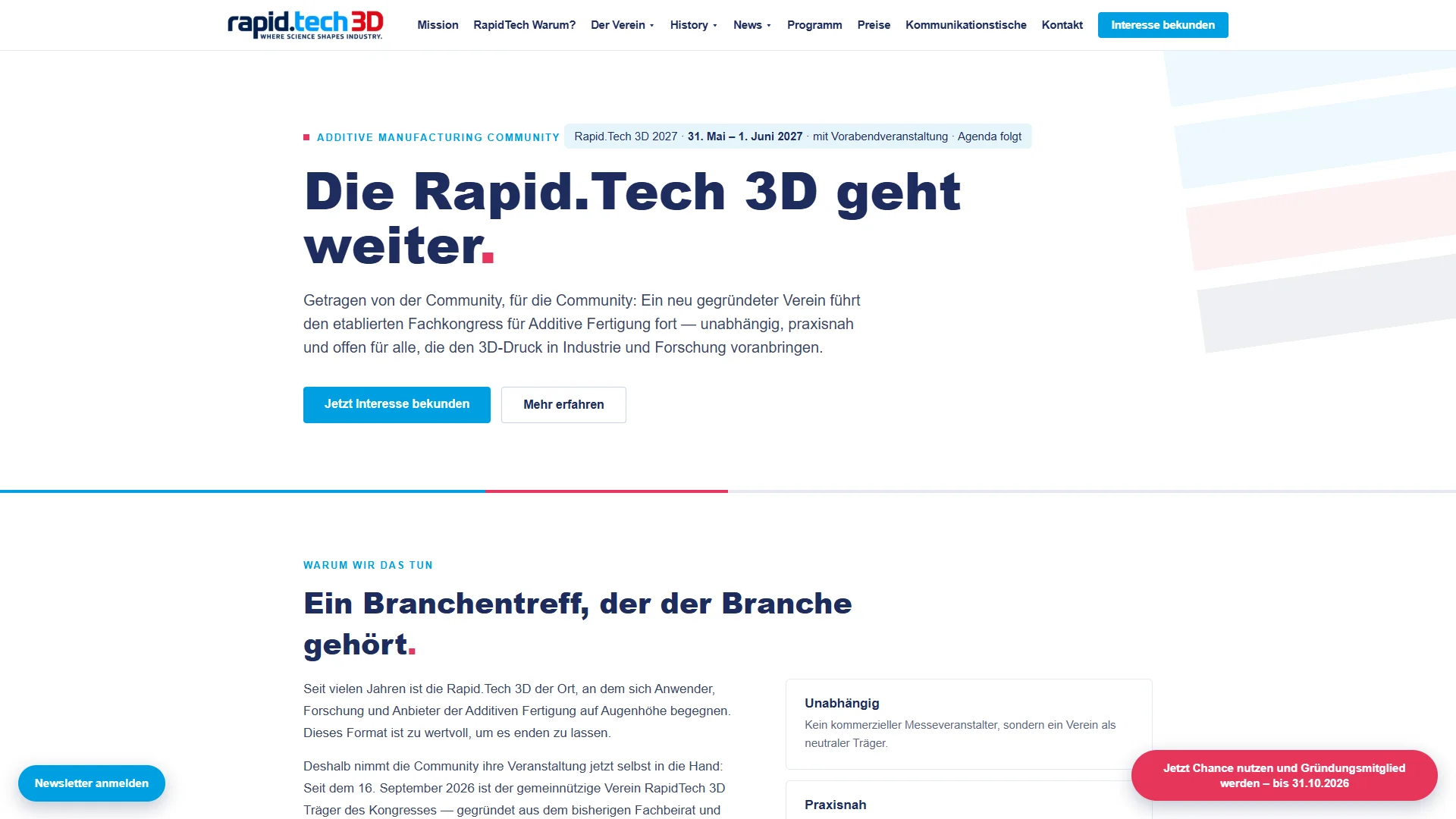
Overview: Rapid.Tech 3D is described in the supplied dossier as an additive manufacturing exhibition and industry platform rather than as a conventional printer manufacturer. Its program includes keynotes and presentations concerning technologies, materials, and industrial applications of additive manufacturing.
Pros / Key Features:
- Provides access to technology, materials, and industrial application discussions.
- Uses communication tables and specialist conversations as part of its event format.
- Offers partner participation packages according to the supplied research.
Use Cases / Best For: Rapid.Tech 3D is best for industry education, networking, supplier discovery, and understanding industrial additive manufacturing developments. It should not be evaluated as a direct printer purchase option unless a specific exhibitor or partner is being considered.
4. 3D Printers Depot
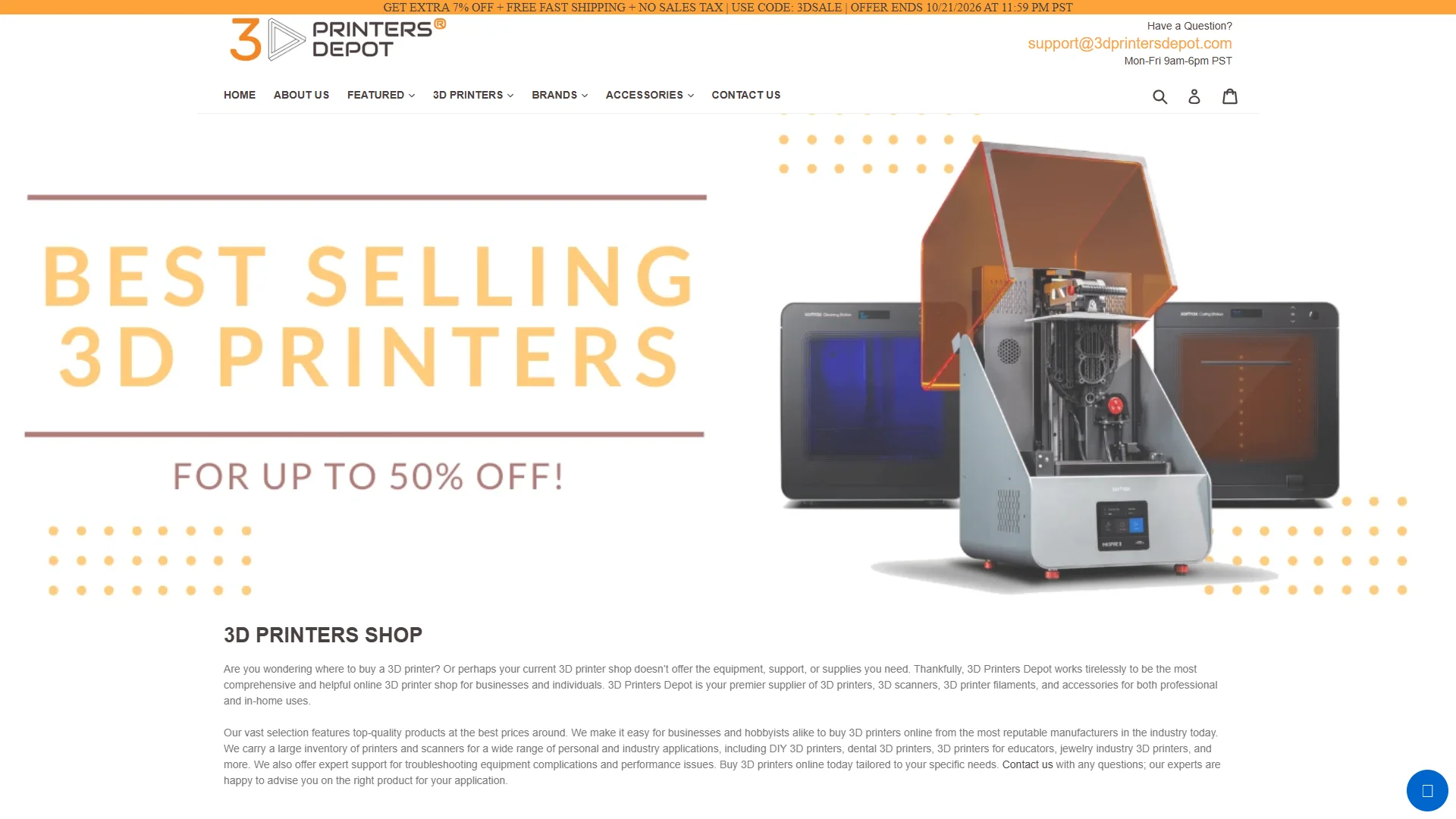
Overview: 3D Printers Depot identifies itself as a supplier of 3D printers, 3D scanners, filaments, and accessories for professional and in-home use. Its model is an online shop carrying products from established manufacturers rather than a clearly documented in-house printer manufacturing operation.
Pros / Key Features:
- Online access to printers, scanners, filaments, and accessories.
- Catalog positioned for both businesses and individual users.
- Offers products from multiple manufacturers.
- Provides business and office printer categories in the supplied research.
Use Cases / Best For: It is best for buyers comparing equipment and consumables through an online distributor. Businesses should verify stock, warranty coverage, technical support, and the manufacturer of each selected product before ordering.
5. Xometry
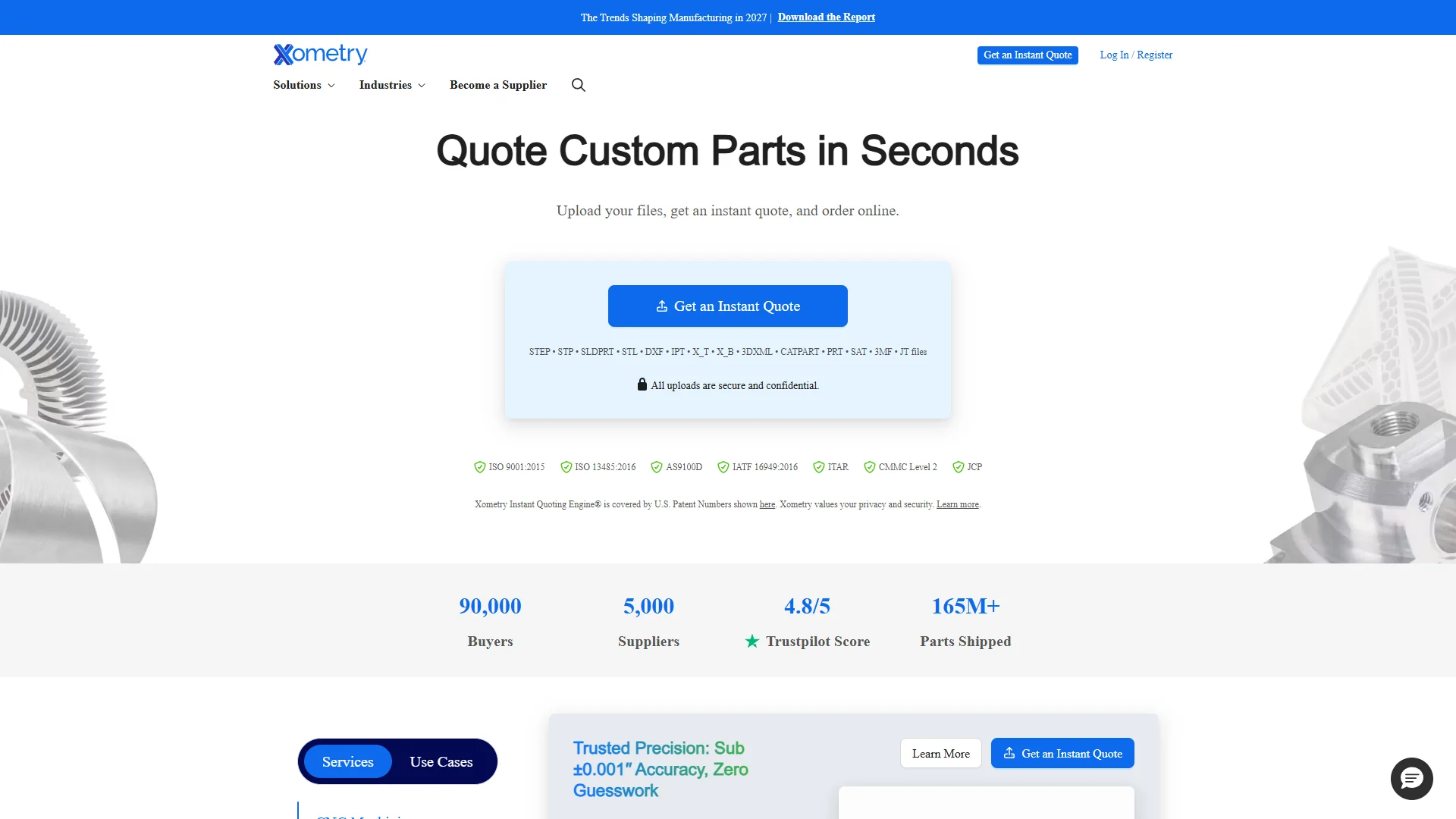
Overview: Xometry provides online 3D printing services for custom parts. The supplied dossier lists eight processes: selective laser sintering, fused deposition modeling, stereolithography, direct metal laser sintering, PolyJet, Carbon DLS, metal binder jetting, and HP Multi Jet Fusion. It also states that the service covers more than 60 metals and plastics.
Pros / Key Features:
- Instant online quoting from uploaded CAD files.
- Supports prototypes through thousands of production-grade parts.
- Offers plastic and metal material choices.
- Lists ISO 9001:2015, ISO 13485, IATF 16949:2016, and AS9100D certifications in the supplied research.
- Provides repeat-order support with part revisions and the same suppliers.
Use Cases / Best For: Xometry is best for engineers and purchasing teams that need digitally quoted custom parts, from one-off prototypes to production quantities. Process suitability, tolerances, finishing, and certification requirements should be checked against the individual quote.
6. RapidMade
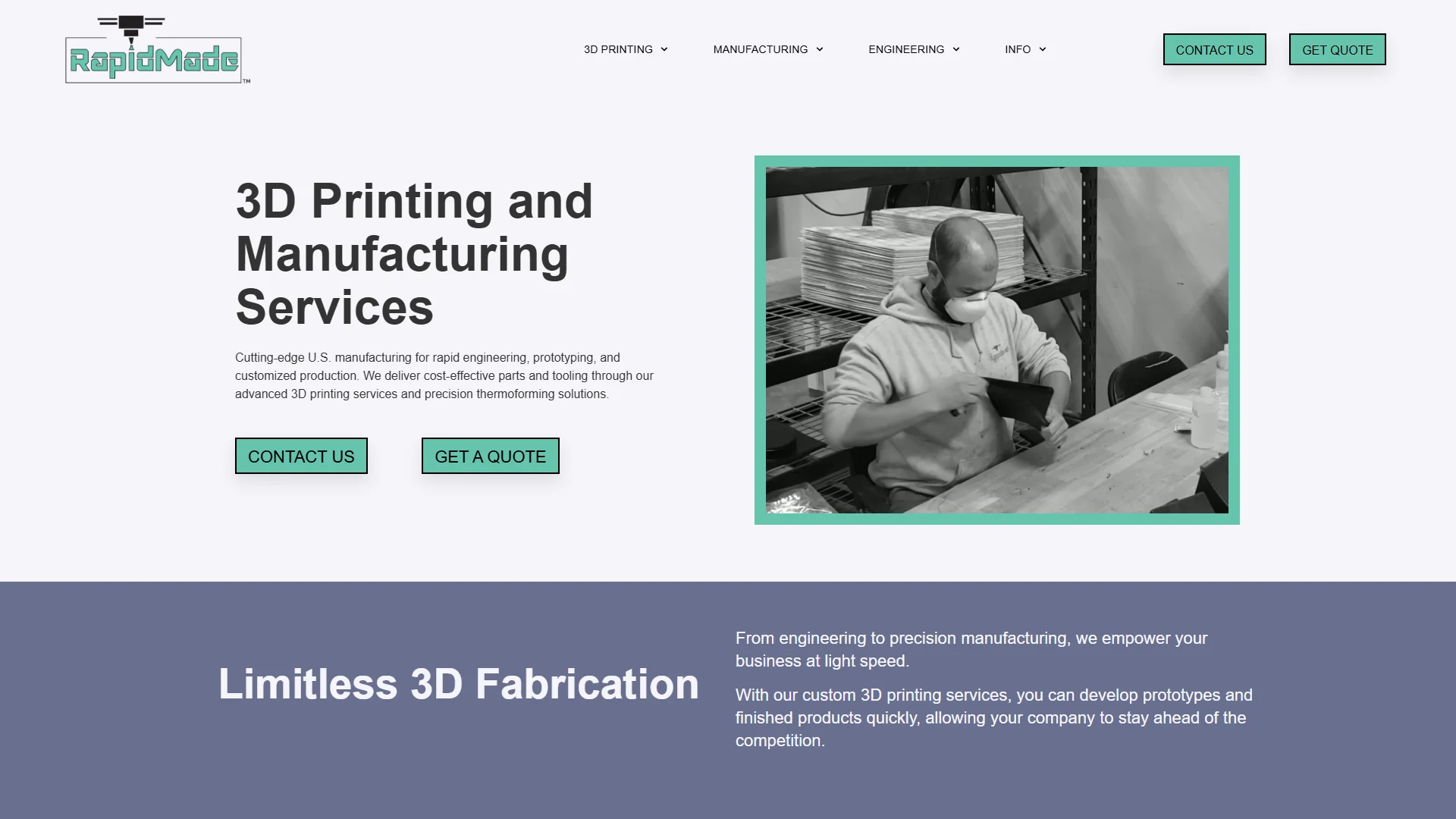
Overview: RapidMade provides custom 3D printing, rapid prototyping, fabrication, engineering, and product design services. The supplied research places its facility in Portland, Oregon, and describes a 30,000-square-foot facility. Its documented processes include SLA, FDM, SLS, and DMLS.
Pros / Key Features:
- In-house engineering and product design support.
- Plastic printing for customized prototypes and small-batch production.
- Materials and technologies ranging from detailed SLA to functional FDM and SLS parts and metal DMLS parts.
- Offers online instant quotes for popular services.
- Research references ISO 9001 certification, ITAR registration, and FST-rated plastics.
Use Cases / Best For: RapidMade is best for organizations needing engineering collaboration, rapid prototypes, customized production, and low-volume parts. Buyers working in regulated or demanding environments should validate current certifications, material qualifications, and project-specific documentation.
7. LulzBot
Overview: LulzBot’s supplied product information centers on the TAZ range, including the TAZ 8 and TAZ Pro Long Bed. The TAZ 8 is described as providing industrial-grade reliability, repeatability, and performance for professional 3D printing and manufacturing. TAZguard enclosures are described as helping reduce warping and improve adhesion.
Pros / Key Features:
- TAZ 8 positioning for professional printing and manufacturing.
- TAZ Pro Long Bed support for larger custom projects.
- TAZguard enclosure option for current and future TAZ-series printers.
- Documented use in educational projects and shipboard manufacturing examples.
Use Cases / Best For: LulzBot is best for professional desktop users, educational programs, print farms, and small manufacturing environments seeking a TAZ-series platform. Buyers should confirm compatible materials, build volume, connectivity, and service arrangements for the selected model.
8. Protolabs
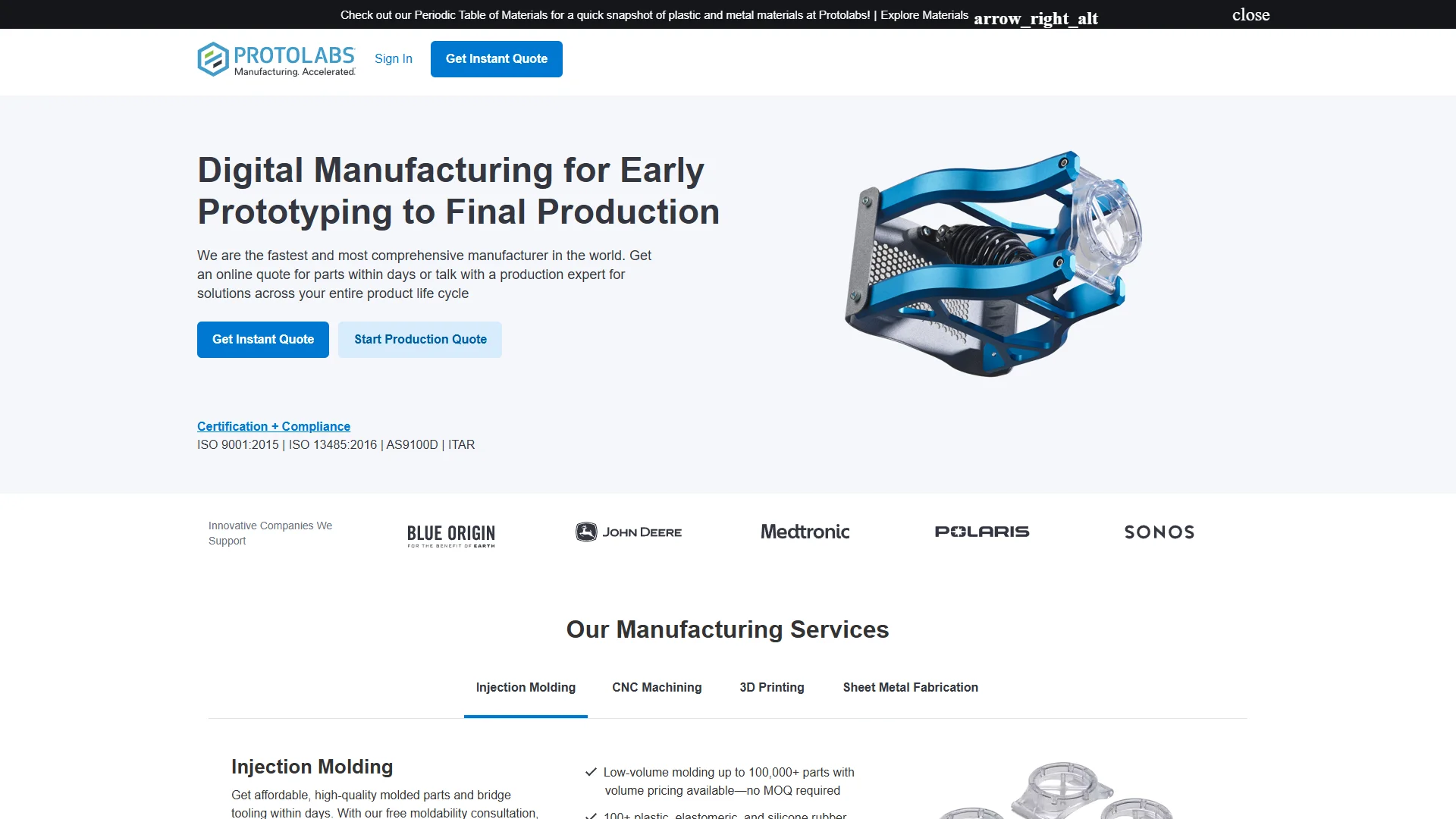
Overview: Protolabs combines additive manufacturing with broader digital manufacturing services. The supplied dossier references plastic and metal 3D printing, an extensive materials library, design guidance, digital quoting, and support from custom prototyping through end-use production.
Pros / Key Features:
- Materials resources covering plastic and metal options.
- Advanced photopolymers, including Tough Black and ceramic-filled material references.
- Design aids that address wall thickness, bosses, ribs, and other manufacturability considerations.
- Production program management focused on cost, quantity, and quality control.
- Research references ISO 13485, AS9100, and ITAR capabilities.
Use Cases / Best For: Protolabs is best for product teams moving from prototyping toward production and seeking digital quoting combined with manufacturing guidance. Certification applicability, process choice, and available materials should be confirmed for each project and region.
9. JLC3DP
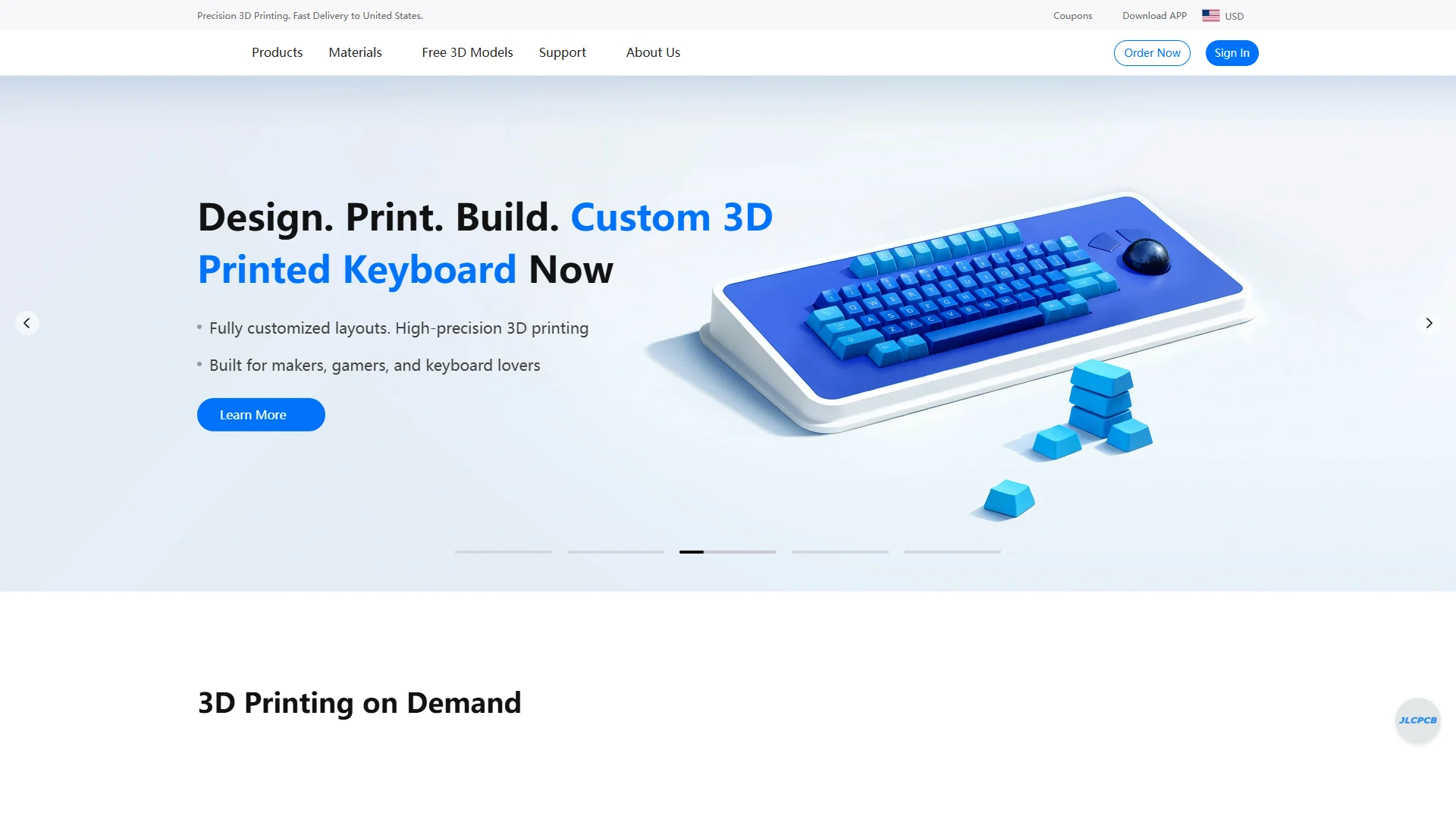
Overview: JLC3DP offers online custom 3D printing with materials and capabilities referenced in the dossier, including metal, nylon, resin, plastic, and full-color printing. The service supports orders from one to 100,000 parts and can combine PCB and 3D-printing orders into one parcel.
Pros / Key Features:
- Online file upload, material selection, and instant quoting.
- Supports prototypes, low-volume production, and complex geometries.
- Worldwide delivery is described in the supplied research.
- Can combine PCB and 3D-printing orders for delivery.
- Offers full-color printing and several material families.
Use Cases / Best For: JLC3DP is best for buyers who prefer an online ordering workflow for prototypes and production parts, especially when PCB procurement is also involved. The dossier notes that support removal is standard and sanding is not included by default, so surface-finish expectations should be confirmed before purchase.
10. RapidDirect
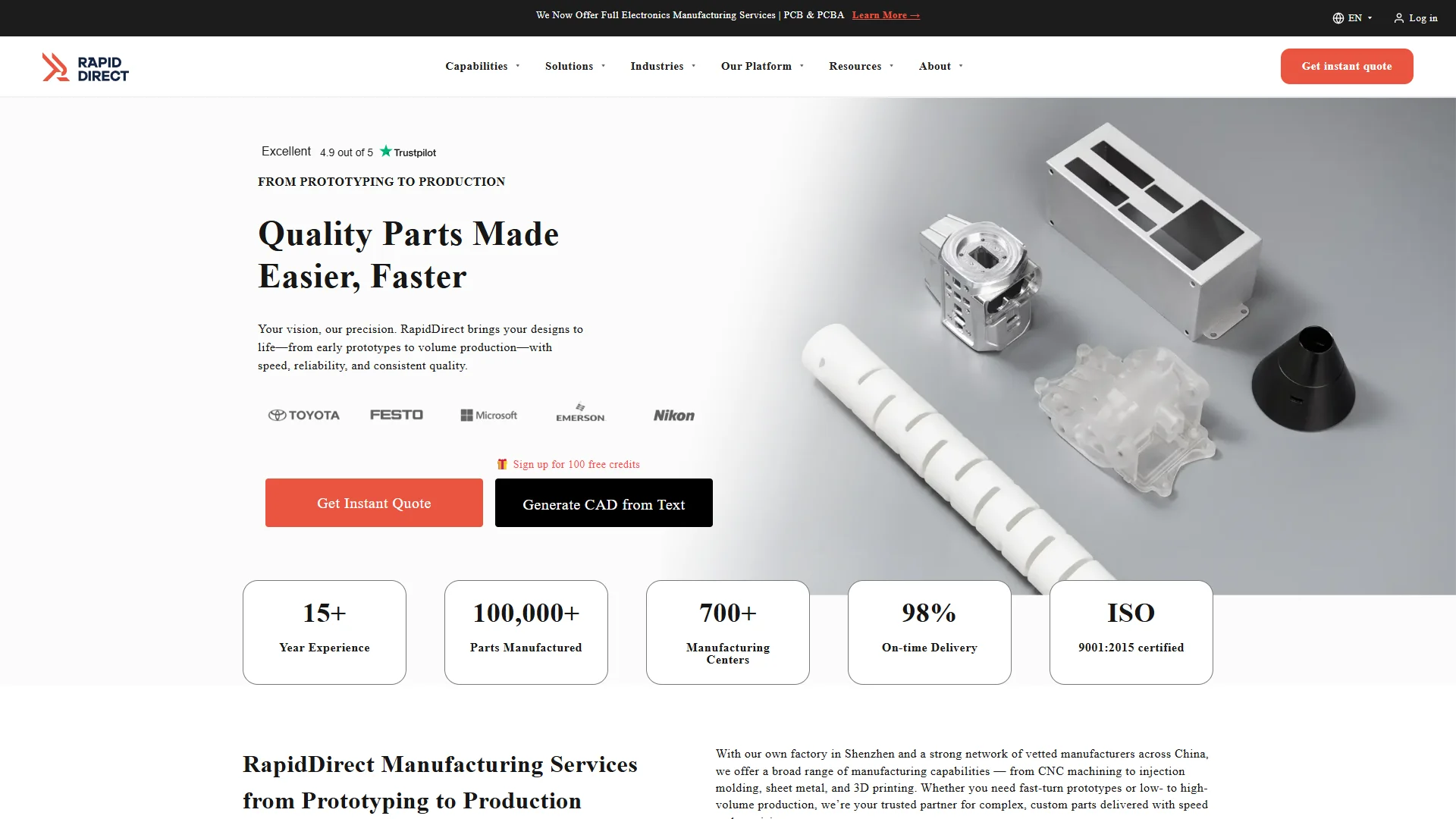
Overview: RapidDirect is included in the supplied roster as a 3D printing manufacturer and service option. However, the provided structured dossier does not clearly establish its company background, product categories, materials, processes, market scope, certifications, service model, or competitive advantages.
Pros / Key Features:
- The supplied research does not provide verified feature-level claims.
- Its official website should be consulted for current processes, materials, tolerances, pricing, and delivery information.
Use Cases / Best For: RapidDirect may be considered during supplier research, but a buyer should request and verify a project-specific quotation, material specification, quality documentation, production location, lead time, and post-processing details before ranking it against providers with more clearly documented capabilities.
How to Choose
- Define the output: Decide whether the requirement is a printer purchase, a prototype, production parts, an industry event, or supplier research.
- Match the process to the part: Compare FDM, SLA, SLS, metal laser processes, PolyJet, binder jetting, and other methods according to strength, detail, surface finish, speed, and geometry.
- Check materials: Confirm the exact resin, polymer, nylon, metal, photopolymer, or composite grade, along with its mechanical and environmental properties.
- Evaluate scale: A desktop printer, small-batch service, and production network have different economics and quality-control requirements.
- Review design support: Engineering feedback and manufacturability analysis can reduce failed builds and redesigns.
- Verify quality requirements: Ask about dimensional tolerances, inspection reports, traceability, finishing, and applicable certifications.
- Compare commercial terms: Consider quoting method, minimum quantities, lead time, shipping, repeat-order consistency, warranty, and technical support.
- Request a representative sample: A test part can reveal surface finish, accuracy, strength, and post-processing quality more reliably than a general product description.
Final Verdict
TCT Asia ranks first in this supplied list because it provides a broad additive manufacturing discovery and comparison context rather than representing only one machine or service category. 3D Systems is suited to professional and industrial ecosystems, while Rapid.Tech 3D is more relevant to industry education and networking. 3D Printers Depot serves online equipment and supply purchases. Xometry, RapidMade, Protolabs, and JLC3DP focus on different forms of custom-part production and digital ordering, with distinctions in processes, engineering support, scale, and materials. LulzBot is centered on TAZ-series printers for professional and small-scale use. RapidDirect should remain a candidate for further research, with capabilities verified directly before procurement.
FAQs
Are all 10 entries traditional 3D printer manufacturers?
No. The roster includes printer brands, contract manufacturing services, online distributors, and additive manufacturing industry platforms. Buyers should identify which business model matches their requirement.
Which option is best for custom production parts?
Xometry, RapidMade, Protolabs, and JLC3DP have documented custom-part services in the supplied research. The best choice depends on the required process, material, quantity, finishing, certifications, and delivery location.
What should be verified before placing an order?
Verify material grade, process, tolerances, build or part size, finishing, inspection documentation, certifications, lead time, shipping terms, repeat-order policy, and technical support. Requirements should be confirmed in writing for the specific project.