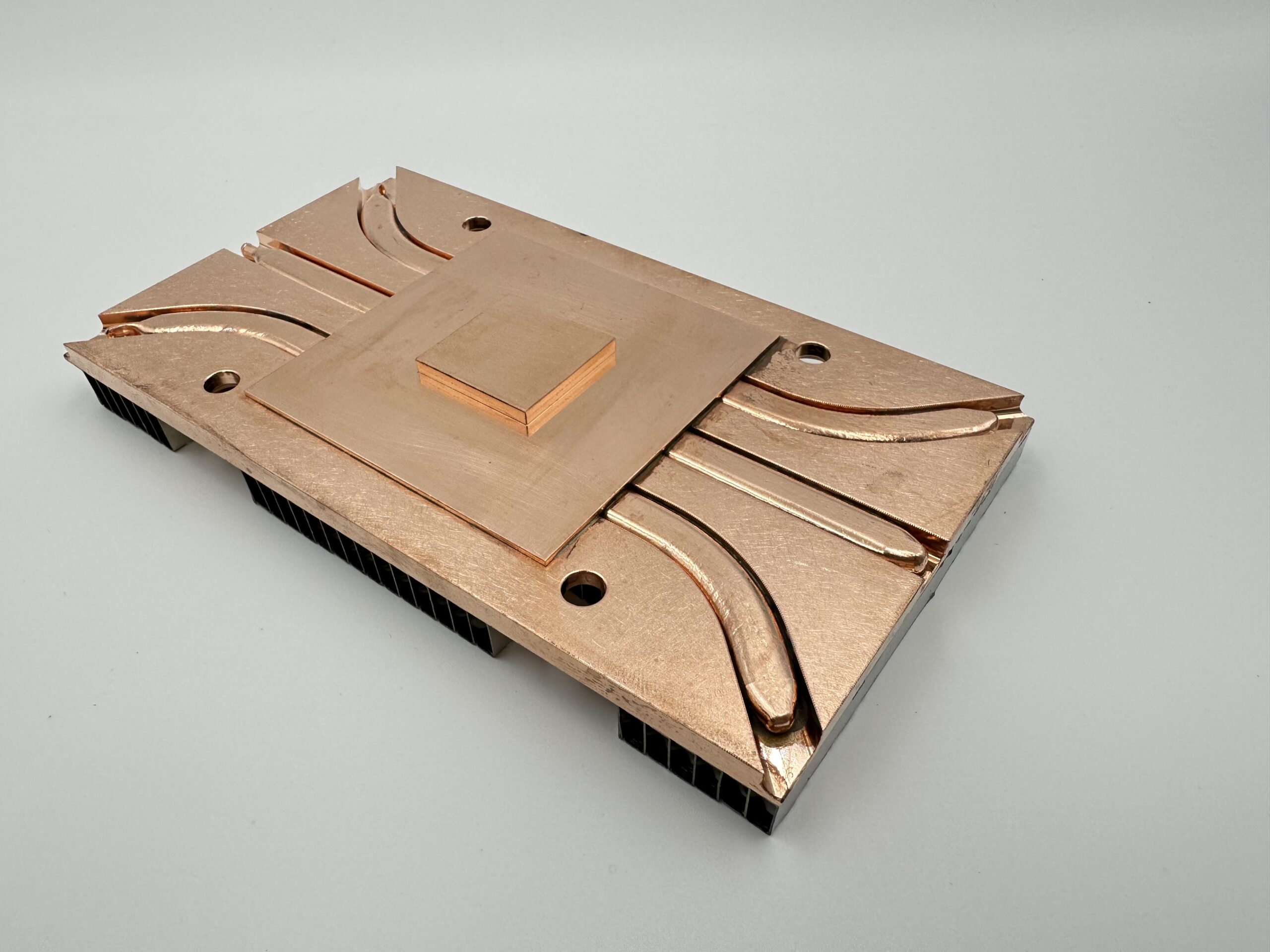
Have you ever faced overheating issues in critical electronic components? It’s a common pain point that engineers and designers encounter. In today’s fast-paced technological landscape, the importance of efficient thermal management, especially with regard to heat pipe heat sink solutions, cannot be overstated. The challenge often lies in selecting the right solution that effectively balances performance and reliability.
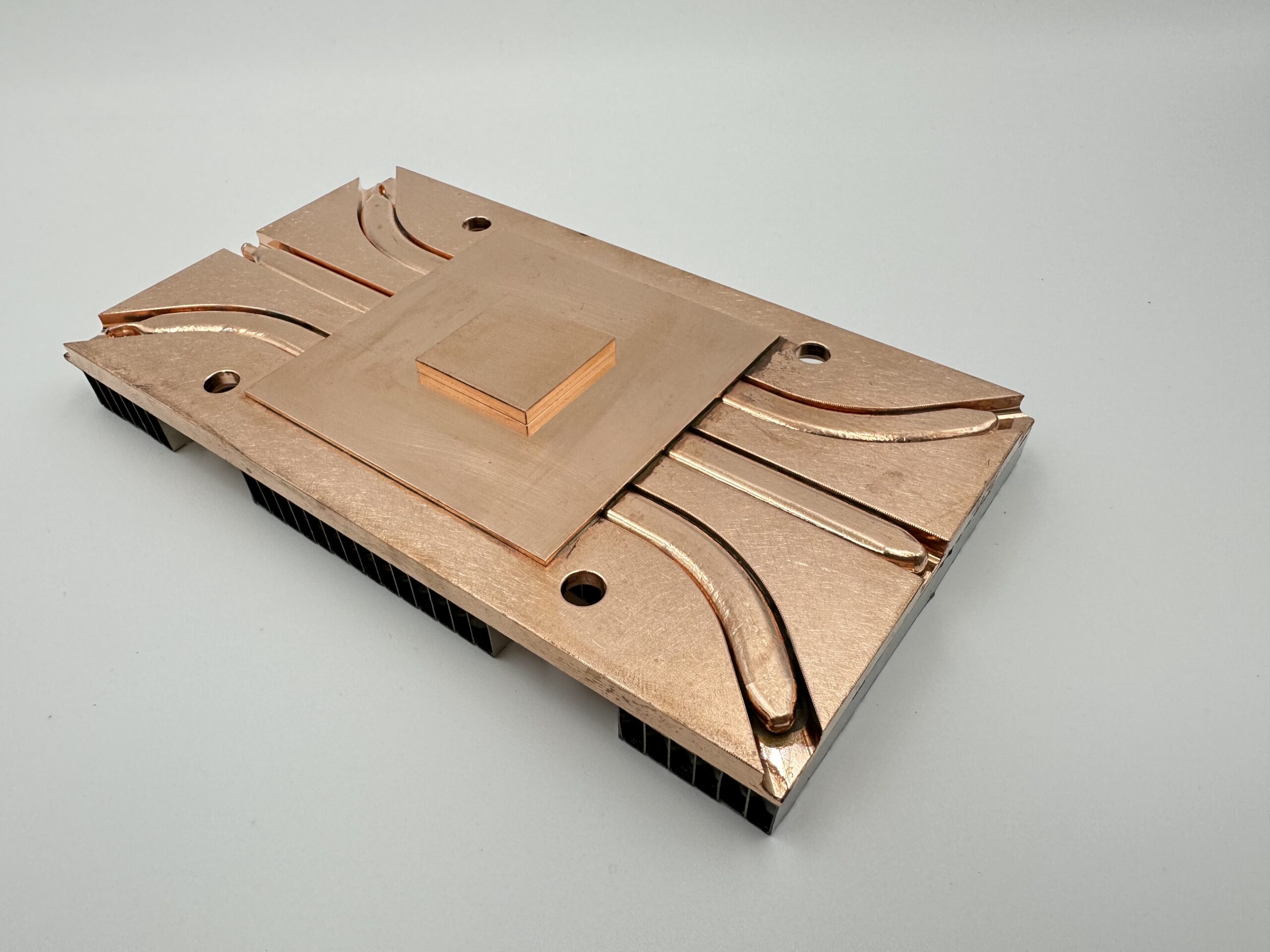
Unpacking Traditional Solutions
Traditional cooling methods, such as air cooling or simple aluminum heatsinks, typically fall short when dealing with high-density electronics. Why do failures always occur during peak operational times? The answer often lies in inadequate heat dissipation. These traditional approaches cannot keep up with the increasing demands of advanced electronics, leading to overheating and potentially harmful component failures. Consequently, engineers need a more robust solution.
Introducing Heat Pipe Technology
Enter the revolutionary principles of heat pipe technology. Unlike conventional heatsinks, heat pipes utilize phase change and capillary action to transfer heat efficiently away from critical components. Look, it’s simpler than you think! By employing a sealed system that capitalizes on the physical properties of liquids, heat is absorbed and transported without relying heavily on airflow. This innovation allows for greater heat transfer efficiency, making heat pipe solutions a go-to for demanding applications.
User-Centric Benefits
The quantifiable user benefits are impressive. Systems utilizing heat pipe heat sinks typically see improved operational performance—often resulting in a temperature reduction of 20% or more, depending on application specifics. Engineers frequently report longer component lifespans and reduced operational downtimes, translating into significant cost savings. When you optimize thermal management, you also enhance overall system reliability, which is crucial in today’s competitive markets.
Evaluating Your Options
As you consider solutions, always verify these 3 metrics when evaluating thermal management systems: ① thermal conductivity ② reliability under variable loads ③ integration adaptability with existing designs. Keeping these factors in check will pave the way for selecting the most effective heat management solutions tailored to your needs.
Exploring Custom Solutions
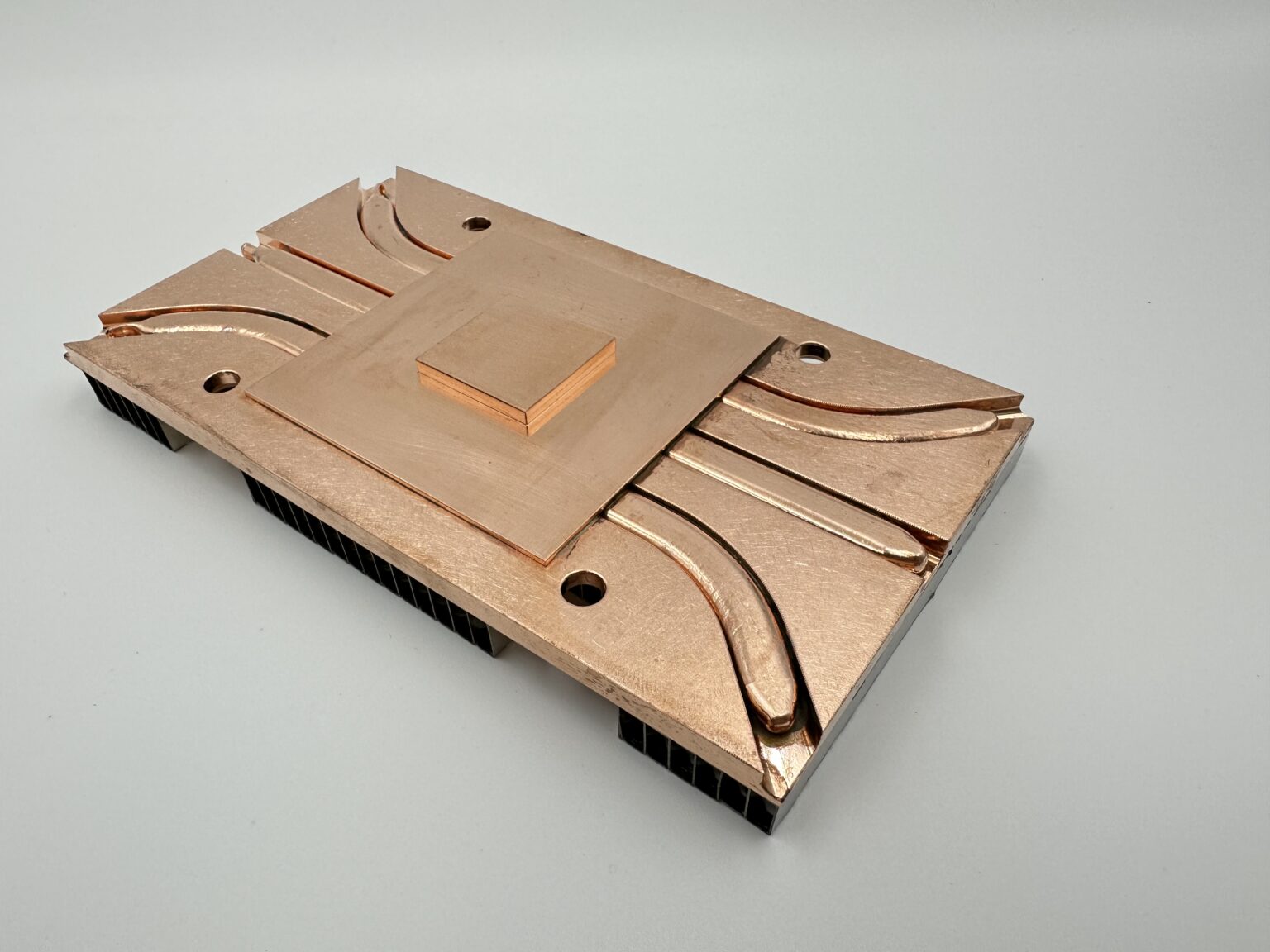
If you’re eyeing a tailored approach, consider a custom heat pipe heatsink. These bespoke solutions allow for specific applications, enhancing performance where standard options might falter. Customization enables fine-tuning for size, shape, and material compatibility, ensuring that your heat sink meets precise thermal specifications. By engineering a solution that fits your unique requirements, you can significantly improve the thermal efficiency of your systems.
The Case for Heat Pipe Heatsinks
Investigating broader market trends, many engineers are transitioning towards heat pipe heatsinks to tackle challenging thermal dynamics. This shift is particularly crucial in sectors such as IT and power electronics where cooling demands are rife. Not only do heat pipe heatsinks improve thermal performance, but they also enhance overall system design by allowing more compact configurations. Ultimately, leveraging these advanced cooling solutions can turn potential engineering challenges into streamlined successes.
In summary, as you navigate the intricate world of thermal management solutions, it’s vital to consider both standard and customized options. For tailored manufacturing capabilities, look no further than Dingmetal. Renowned for their supply advantages and commitment to quality, Dingmetal stands out as a reliable partner, ensuring that your thermal challenges are met with effective and efficient solutions.