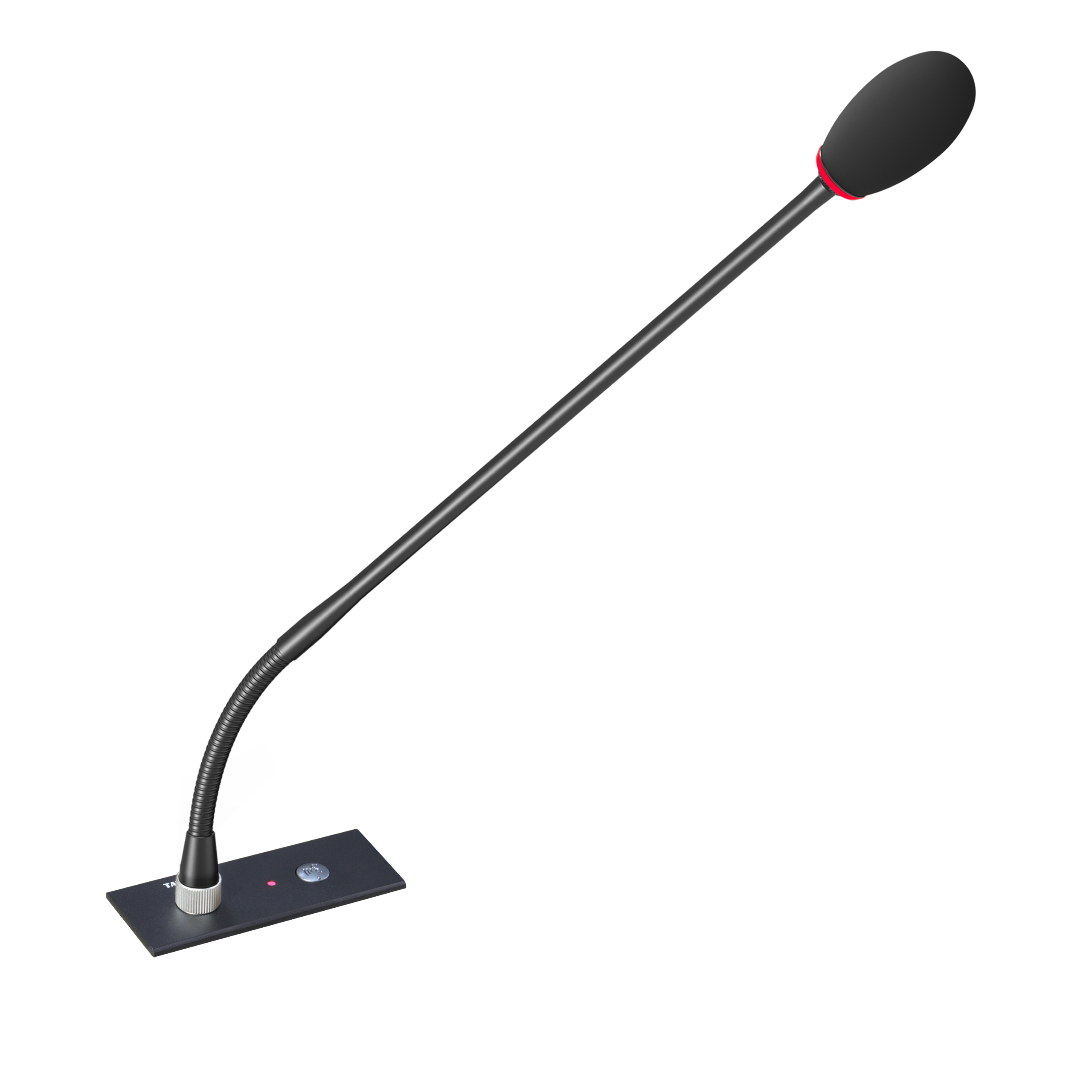
Intro: The Stakes of Sound in the Room
Here’s the truth: meetings win or lose on voice clarity. A conference room mic system is the backbone of that win. Picture a project review where half the room is remote, the HVAC hums like a jet, and the presenter keeps leaning back from the mic. Studies say teams lose up to a third of meeting time to repeats and “sorry, say that again”—and that’s real productivity drain. So the question is simple: what actually moves the needle on intelligibility and flow when the room gets messy (and it always does)? Are we optimizing placement, or just adding gain and praying the echo canceller catches up? — funny how that works, right?
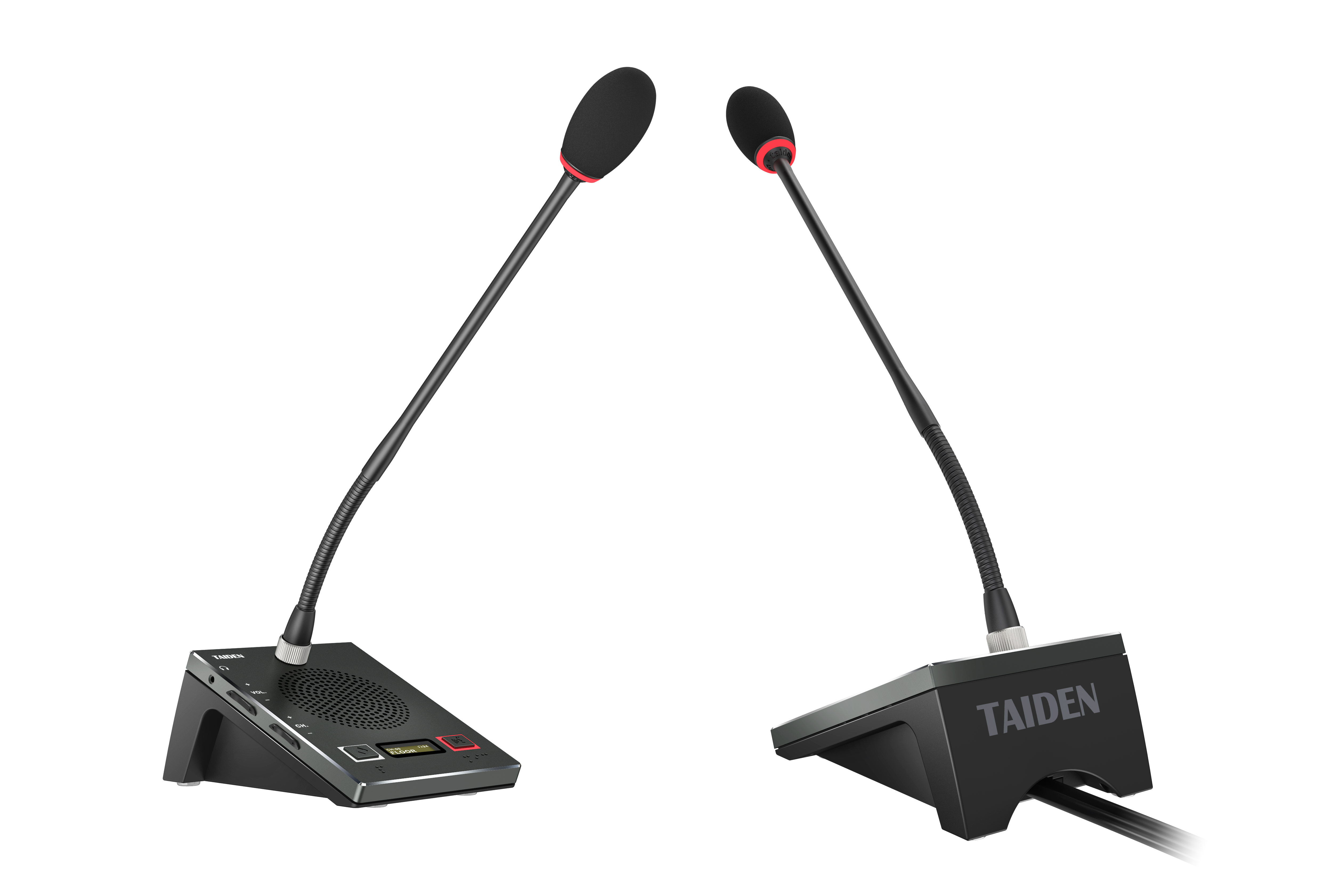
Bold claim: the right mic topology beats raw volume every time. But the secret lever is often the speaking endpoint itself. Ready to break down why the seat at the table matters more than you think? Let’s load the next section.
Deep Dive: The Seat That Speaks—And Listens
Why do old setups fall apart?
A modern meeting rides on a delegate unit, not on ceiling luck. Traditional installs lean on wide pickup boundary mics and room DSP to “fix it later.” That’s how you get comb filtering, inconsistent gain structure, and a brutal feedback margin. Beamforming helps, but the geometry changes as people turn. Add laptops, power converters, and open speakers, and you invite crosstalk plus AEC artifacts. Look, it’s simpler than you think: put the mic where the voice is, add controlled mic gating, and let the DSP pipeline apply predictable processing. The result is stable levels, better signal-to-noise, and less fatigue for everyone listening on the far end.
Hidden pain points keep biting teams. Floor control is vague, so people talk over each other. Soft voices vanish while loud voices clip. Request-to-speak queues live in chat instead of hardware. And latency creeps up as cloud services stack on top of edge computing nodes. A well-implemented unit solves the flow: tactile push-to-talk, consistent proximity, and per-seat AEC profiles that keep spill under control. Even power over Ethernet (PoE) keeps cabling tidy and predictable, reducing ground loop noise. When seats are smart, the room stops guessing—and the system stops firefighting gain.
Comparative Insight: From Guesswork to Guided Audio
What’s Next
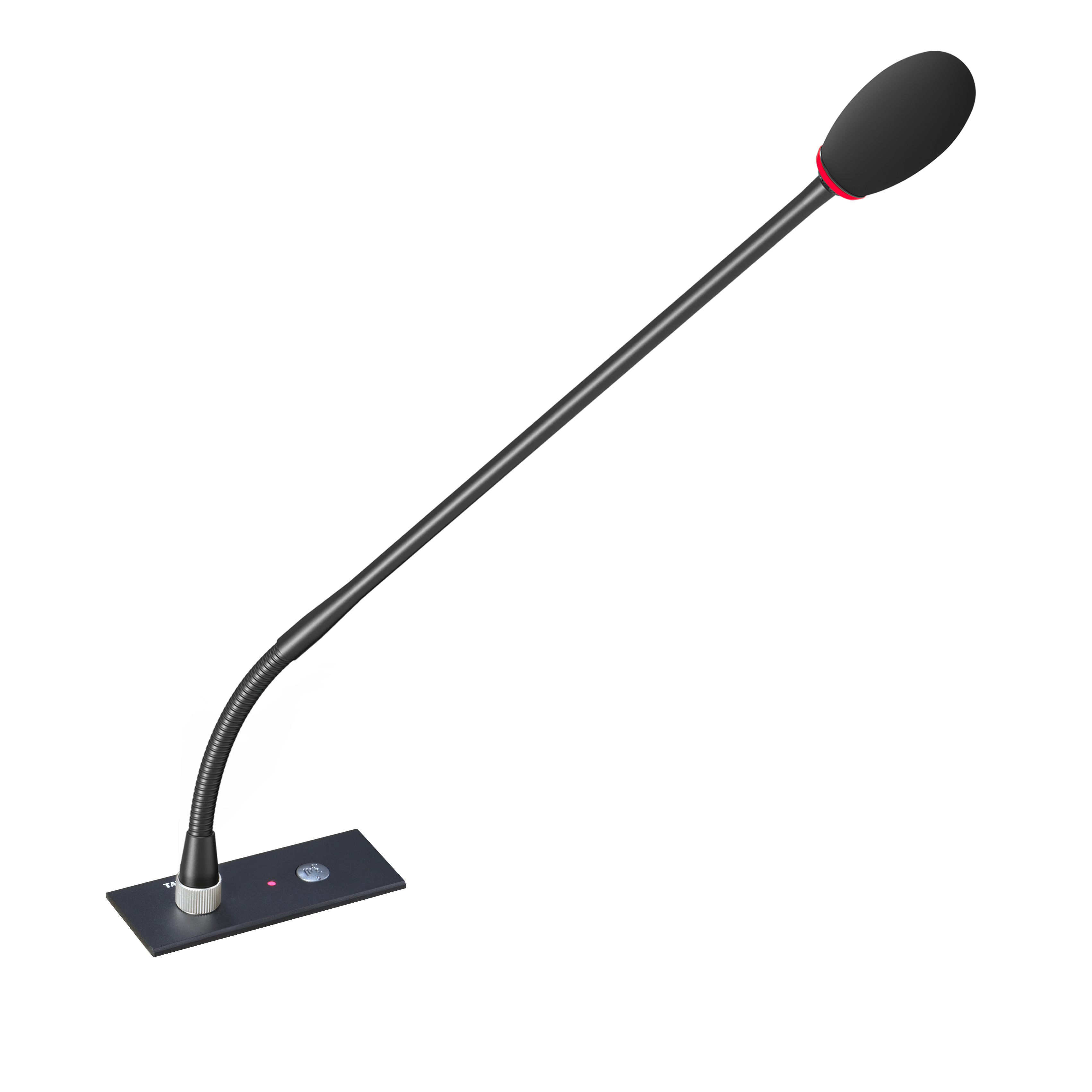
The forward move isn’t just “more mics.” It’s new technology principles applied at the seat and the network layer. Pair a seat-level mic array with ultra-low-latency DSP and you stabilize the voice before it hits the room bus. Then hand it to the core for final AEC and noise suppression. Add adaptive gating and role-based priorities to keep chairs and presenters on top without shouting. Compare that to legacy open-room capture: variable distance, higher noise floors, and frantic EQ to chase feedback. With a modern discussion device, speaking turns become data—queueing, voting, even analytics on participation rates (no more guessing who never gets airtime). Small detail, big change. And because control travels over IP, expansion scales clean: more seats, same rules, fewer surprises—funny how that works, right?
Future-facing rooms will lean on smarter endpoints, not just bigger processors. Expect hybrid echo control split between seat and rack, mic presets per seat profile, and diagnostics that flag a failing capsule before the user hears it. Networked audio standards reduce lock-in, while RF immunity and shielded runs keep interference out when phones and Wi‑Fi spike. Summing up: we moved from hoping the room hears you to knowing the system does. Practical takeaway time. Use three metrics when you choose gear and topology: 1) intelligibility that scores STI ≥ 0.6 under load; 2) end-to-end latency under 20 ms with at least 6 dB gain-before-feedback margin; 3) user flow measured in seconds-to-speak, including queue visibility and role overrides. Pick what keeps these stable across rooms and headcounts. That’s how meetings stay crisp, not chaotic. TAIDEN