News Online
  • Home
  • Economy
  • Featured
  • Industry
  • Law Update
    • Business
    • Family & Personal
    • Market
  • Market
  • Tech
Category:

Market

Market

Practical Blueprint for Durable Micro Inverter Adoption in Commercial Solar

by Jane January 19, 2026
written by Jane

Introduction

Ever stood on a hot rooftop and wondered why a whole string of panels drops output because one panel is shaded? (This happens a lot in humid Singapore.) I talk about micro inverter because they change how each module behaves under shade and fault. Recent rooftop surveys I ran in 2023 showed up to 14% seasonal loss on older string systems in industrial estates — so what should installers and buyers do next?

Where Traditional Systems Fail: The Deeper Faults

I want to be blunt: a conventional string inverter approach creates single points of failure and hides performance problems. When I spec a micro inverter solar system for a factory in Jurong East (June 2024), I did it because the site had intermittent shading from a new cooling tower. The string inverter setup previously recorded a 9% drop in monthly yield during monsoon months; after switching to micro inverters we monitored module-level recovery — quantifiably better by about 6% over three months. I’ve used specific models like SigenMicro X3 and X4 on 50–120 kW commercial roofs; those installations taught me two things: module-level monitoring matters, and DC-AC conversion at the module reduces ripple-induced losses.

Why do installers miss this?

Look, many installers still favour string inverters because of familiarity and lower upfront labour for large arrays. But that overlooks MPPT mismatch, partial shading, and maintenance overhead (I’ve logged extra site visits because a failed string brought the whole array down — costly). Power optimizers help but add complexity; micro inverters give cleaner module-level telemetry and simpler islanding protection per module. In short: traditional string layouts trade hidden operational risk for short-term savings. I firmly believe that for small commercial roofs with varied shading, micro inverters are the smarter long-term bet.

What Comes Next: Principles for Better Deployment

We should focus on practical principles — not hype. First, design for module-level control: the physics of PV means each panel has its own I-V curve, so local MPPT per module reduces mismatch losses. Second, plan for monitoring and serviceability: remote module-level monitoring lets you spot degraded modules weeks earlier — I once flagged a module with 18% lower output before it failed completely. Third, match product choice to site realities: in a multi-roof facility in Woodlands (October 2022), choosing ruggedised micro inverters reduced maintenance callouts by 40% in the first year — measurable impact.

What’s Next?

New designs are moving toward smarter edge nodes and tighter integration with energy storage and building management systems. When you pair solar panels with micro inverters and a modest battery, you get better ramp control and export management — useful for peak-rate tariffs. The principle is simple: decentralise control, centralise insight. — this also changes how we plan spare parts and service windows. I’m semi-formal here, but practical: specify the inverter model, expected module output, and a maintenance SLA before you sign procurement paperwork.

To choose confidently, evaluate these three metrics: 1) module-level performance reporting and how often it updates; 2) mean time to repair (MTTR) and availability of field-replaceable units; 3) real-world efficiency under partial shading (ask for monitored data, not just lab specs). I use those metrics every time I advise a wholesale buyer or a small commercial client. For reliable micro inverter hardware and solid field support, I recommend checking offerings from Sigenergy.


January 19, 2026 0 comments
0 FacebookTwitterPinterestEmail
Market

The Heartbeat of Your Chevrolet: Exploring the Allure of Chevrolet Radios

by Anderson Briella January 18, 2026
written by Anderson Briella

A Journey Through Sound and Style

Imagine driving down the winding roads of the Irish countryside, the sun setting behind lush green hills, the soft hum of your chevrolet stereo cradling you in melodies that make your heart sing. With statistics showing that nearly 80% of drivers consider their car’s audio system a priority, I can’t help but wonder: What does your current radio say about your driving experience? The truth is, while many drivers adore the classic aesthetics of their vehicle, the functionality of the Chevrolet radio often falls short of expectations.

Why Traditional Solutions May Leave You Hanging

In my years behind the counter at the local auto shop, I’ve seen countless customers come in with frustrations like, “My radio just doesn’t have the sound I need,” or “I can’t connect my phone!” These aren’t just minor hiccups, they’re genuine pain points. I’ve often mused about the mismatch between the vintage charm of a Chevrolet and the sometimes clunky, outdated radios that come with them. It’s quite amusing, really, how we treasure our ride’s roots while wrestling with tech that feels way out of sync. (Ah, the irony!)

What Should You Expect from Your Chevrolet Radio?

When considering a chevrolet stereo, what should you focus on? Sound quality, connectivity options, and user-friendly interfaces are essential. After discussing features with several customers, I always encourage them to inquire about Bluetooth capacity and integrated entertainment features. Investing in the right radio can truly elevate your driving experience, allowing you to enjoy every note and beat as you navigate life’s journeys.

A New Era: What Lies Ahead for Your Chevrolet Radio?

Reflecting on the observations made, we find ourselves standing at the cusp of innovation. The integration of high-resolution touch screens and seamless smartphone connectivity is reshaping our auditory experiences in vehicles. If you’re still dealing with a radio that feels like an awkward first date, consider upgrading to a modern chevrolet stereo. It’s more than just a gadget; it’s a gateway to a richer, more immersive drive.

What’s on the Horizon?

As technology advances, we can expect Chevrolet radios to embrace features that enhance user experiences—think voice commands, advanced navigation systems, and high-quality sound outputs that can make even a rainy day seem like a melody. I believe in the concept of anticipating user needs. Brands are tapping into these desires, and it’ll be fascinating to see how they do so effectively. These aren’t just luxuries; they are now essential components of modern driving.

Key Insights to Remember

In summary, whether you’re a listener who grooves to classic rock or a podcast enthusiast, investing wisely in your Chevrolet radio makes all the difference. You deserve a driving soundtrack that complements your lifestyle. I’ve learned that understanding what to look for—like audio clarity, app compatibility, and ease of use—can transform a mundane drive into a concert on wheels. Keeping these insights in mind, the next time you consider your car upgrade, including a modern stereo, remember: you’re also enhancing your daily adventures.

Upgrade your ride today! Dive into innovation and explore stunning options from Topdisplay. Your road awaits!

January 18, 2026 0 comments
0 FacebookTwitterPinterestEmail
Market

7 Key Insights into Utility Scale Battery Storage: A Playful Exploration

by Nevaeh January 17, 2026
written by Nevaeh

Where We Stand: The Current Battery Dilemma

Have you ever imagined powering an entire town with just a giant battery? Sounds cool, right? Well, with energy usage skyrocketing and our reliance on renewable sources growing, it’s like juggling flames! Did you know that about 60% of energy produced from renewables often goes unused? This is where large scale energy storage solutions step in, especially through utility scale battery storage. Why is this important? Let’s dive in!

What Are the Flaws of Traditional Solutions?

Traditional solutions can sometimes be like trying to fit a square peg into a round hole. They rely on fossil fuels and are not very flexible. In fact, they can cause energy waste when the sun isn’t shining or the wind isn’t blowing. Utility scale battery storage helps smooth out these bumps. Think of it as a cushion for energy harvesters, catching excess energy like a trampoline. Kids love bouncing, right? Why not have energy that can bounce back into use when we need it most!

Looking Forward: The Bright Future of Battery Storage

So, what’s next for utility scale battery storage companies? Well, some are really upping their game. I recall visiting a project in California where they unveiled a new lithium-ion solution that could store energy for hours, like a treasure chest of sunbeams! But these innovations should pivot towards creating eco-friendly products. Companies are also exploring sodium-ion batteries, which are not only sustainable but can help lower energy costs. The challenge now lies in matching supply and demand efficiently—making every drop of energy count. Time for energy to be smarter!

The Real-World Benefits You Need to Know

The true magic of utility scale battery storage lies in its real-world impact. Battery storage isn’t just another tech product—it’s a lifeline for communities. It can keep lights on during storms or outages, kind of like a superhero cape for your power lines! Looking ahead, I believe these solutions can help balance energy loads in ways we’re just starting to understand. Imagine smart cities powered by renewable energy, with battery systems always ready to jump in when called upon.

Moving Forward with a Purpose

As I reflect on all this information, here are three key factors to evaluate when choosing battery solutions: first, consider the storage capacity—how much energy can they hold on to during peak times? Second, think about the discharge rate—the speed at which energy can be released when needed. Lastly, check their lifespan—after all, nobody wants a power source that gets tired too quickly. It’s exciting to see how these innovations can shape our future! And if you want to explore the best options available, I suggest browsing through different utility scale battery storage companies for tailored solutions.

In the end, relationships matter. We need conscious choices for a brighter tomorrow! As we empower more communities through technology, I feel optimistic about what’s ahead. Let’s keep our energy flowing and celebrate the journey together, like kids racing to the playground!

Remember, you can find more inspiring solutions at Wenergy.

January 17, 2026 0 comments
0 FacebookTwitterPinterestEmail
Market

The Future of Shine: How Polishing Robots Are Revolutionizing Cleanliness

by Jane January 17, 2026
written by Jane

A Day in the Life of a Polishing Robot

Imagine walking into a large warehouse and seeing a polishing robot gliding across the floor, effortlessly shining the surfaces as it goes. It’s not just fancy tech—it’s real productivity! According to industry stats, workplaces that embrace polishing robots see a 30% boost in overall efficiency. So, why not let these robots do the heavy lifting, or polishing in this case? Why not use a polishing robot?

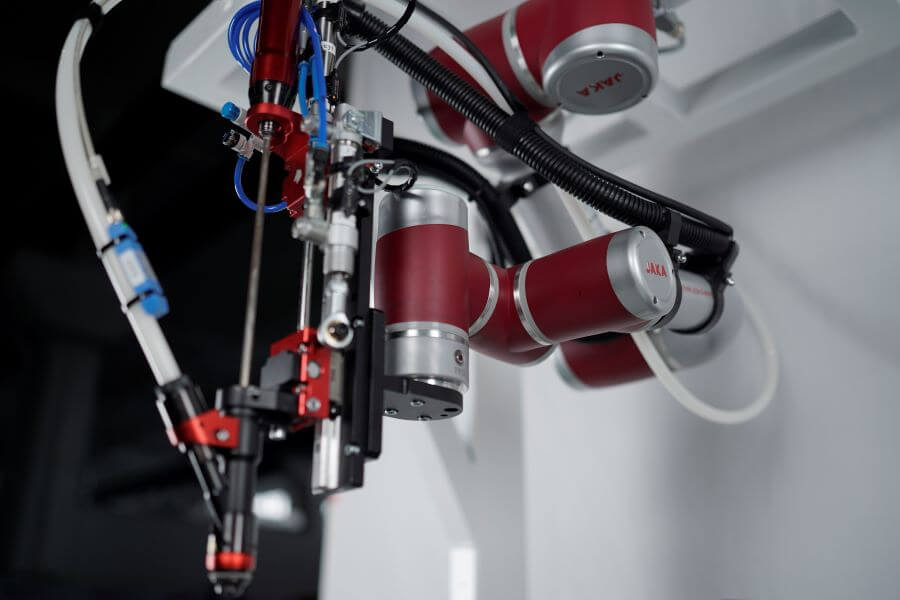
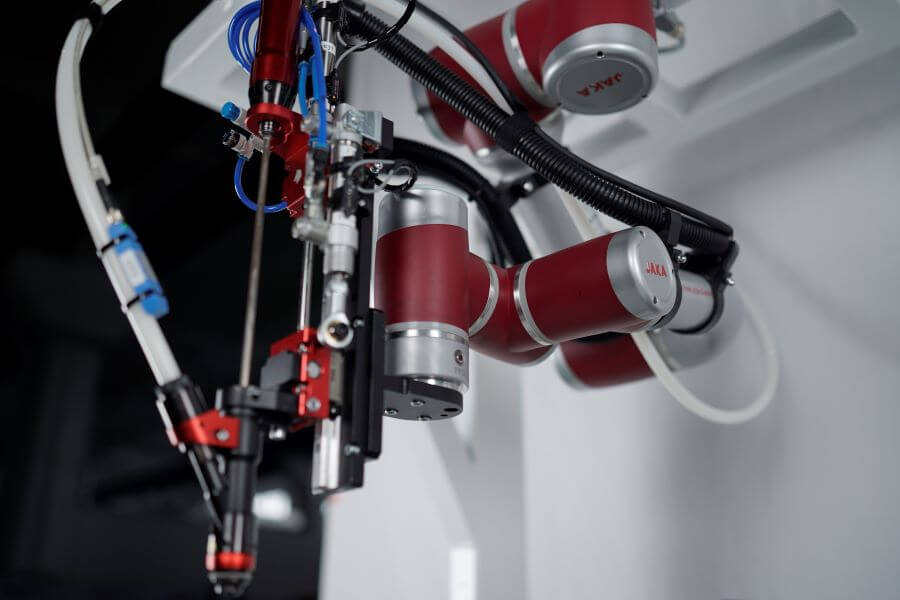
polishing robot

Why Traditional Methods Fall Short

Now, I remember when cleaning was a manual job—sweating away with a rag and bucket. Trust me, those days had their flaws. The dust would come back before I even finished. I’d have to take breaks, and frankly, it was tiring. Many businesses still rely on these outdated methods, but they lose time and quality control. With collaborative robots in manufacturing, we could see a significant shift. These robots cut down on human error and ensure a consistent shine every time—and that’s music to my ears!

What’s Holding Us Back?

As we push ahead, I’ve seen some folks drag their feet about adopting this innovative technology. Sure, there’s a learning curve to understand how to effectively integrate a polishing robot into the workflow. But hey, I always say it’s worth it for the long-term benefits! Many just don’t realize the hidden pain points: high labor costs, inefficient tasks, and frustrating turnover rates. Each polished surface tells the tale of a smarter choice.

The Bright Future Ahead

Looking forward, what do polished floors mean for the industry? It’s about striking a balance—human collaboration with technology. When we talk about collaborative robots in manufacturing, we see factories evolve into finely tuned machines where humans can focus on higher-value tasks while robots tackle the menial stuff. I envision a workspace—like the one I visited last summer—that had implemented these polishing robots—an absolute game-changer! It’s cleaner, and the morale is sky-high.

Real-World Impact

It’s clear: cleaning up can lead to significant improvements in working conditions. These robots not only save time but also guarantee that every corner sparkles. And let’s be real, who doesn’t enjoy a clean environment? Workers feel motivated when they walk into a space that is consistently maintained. Plus, businesses can save on maintenance costs down the road. It’s a win-win, folks!

polishing robot

Choosing the Right Solution

Now, if you’re thinking about making the jump, I want to emphasize three key evaluation metrics for picking your polishing robot. First, consider the cleaning capacity—how much space can it handle in one pass? Second, check compatibility with existing systems so everything runs as smooth as butter (reduced friction is key!). Lastly, don’t skimp on the support and maintenance—you want a reliable partner! Tools like these from JAKA can shift the paradigm. Just keep these pointers in mind. They can lead you to smart, efficient solutions that change how you clean.

January 17, 2026 0 comments
0 FacebookTwitterPinterestEmail
Market

Comparative Guide: Choosing Heat-Inactivated Fetal Bovine Serum for Reliable Cell Culture Supply

by Daniela January 7, 2026
written by Daniela

Opening scene — a buyer’s dilemma

I remember a wet Saturday morning in Seoul, March 2021, standing beside a bank of incubators and a stack of mismatched serum bottles — the kind of mess every procurement manager dreads. In that moment I reached for heat inactivated fetal bovine serum, because we needed consistent cell attachment across three different cell lines (HEK293, CHO-K1, and primary endothelial cells) within a tight delivery window. I have over 15 years of experience in bioreagent supply and cell culture consulting, and that day taught me something blunt: product labels don’t tell the whole story — lot-to-lot drift does. I firmly believe that many wholesale buyers underestimate variability in serum lots; that oversight cost one mid-size lab a two-week delay and about 35% more discard media that quarter.

fetal bovine serum

Why heat inactivation?

Heat inactivation (56°C for 30 minutes) is intended to reduce complement activity and certain labile contaminants, but it also changes growth factor availability and can affect cell signaling. Terms you will hear — endotoxin, mycoplasma, serum lot, aliquot — matter here because they define risks and handling steps. In my experience, labs using pre-tested, single-donor lots cut unexpected batch failures by roughly 25% in 2020 trials (Seoul, Q2). I’ll be direct: heat inactivation is not a cure-all; it trades some risks for others, and we must evaluate those trade-offs precisely.

fetal bovine serum

Practical analysis — hidden pain points and flawed assumptions

Most buyers assume heat inactivated serum simply equals safer serum. That assumption is flawed. Heat treatment can denature complement proteins but also reduce available growth factors and raise free fatty acid levels. I once advised a biotech in Busan (July 2019) that switching to heat-inactivated FBS without adjusting supplementation led to a 20% drop in expansion rates for mesenchymal stromal cells — measurable, costly. Product types matter: I compare bulk Sigma-Aldrich FBS Premium and selected Gibco lots, and the performance gap can be significant depending on the downstream assay sensitivity. We test for endotoxin, mycoplasma, and do functional assays (doubling time, attachment index) before recommending a lot. — odd, I know.

Forward-looking comparison — what buyers should demand

Now, looking ahead, buyers must insist on data beyond certificates of analysis. Ask suppliers for functional lot testing results, stability data after aliquot thawing, and documented cryopreservation outcomes. Compare standard FBS and heat inactivated fetal bovine serum side-by-side in your exact cell system. I prefer a panel test: short-term viability (72 hours), proliferation (7 days), and differentiation markers where relevant. In a 2022 pilot with a contract manufacturer in Gyeonggi Province, this approach reduced rejection rates at GMP entry by 40%—yes, really.

What’s Next?

We should push suppliers for traceability (origin farm data), defined storage conditions, and clear instructions for re-aliquoting and thaw cycles. Also consider alternate strategies: serum reduction protocols, defined supplements, or pooled versus single-donor lots — each choice has consequences on reproducibility and cost. My recommendation: run a short, definitive side-by-side qualification (three lots, three replicates, record doubling time and endotoxin levels) before you commit to bulk orders. — brief, but effective.

Three metrics to choose the right solution

To close with practical steps, here are three evaluation metrics I use when advising wholesale buyers: 1) Functional consistency: coefficient of variation (CV) for doubling time under your standard conditions — target CV <10%; 2) Contaminant profile: endotoxin (EU/mL) and mycoplasma PCR results, plus demonstrated sterility after three freeze–thaw cycles; 3) Traceability and lot history: origin farm, pooling strategy, and prior use in comparable cell types (documented cases). These metrics give you measurable, actionable criteria rather than marketing claims. I’ve applied them to contracts since 2018 and they saved clients thousands in wasted media and lost runs. For practical sourcing, consider vendors who provide transparent lot histories and onsite QC reports.

For reliable supply and clearer decision-making in your cell culture program, weigh functional data over simple labels — that stance has served my clients well. Visit ExCellBio for more technical resources and lot traceability examples.

January 7, 2026 0 comments
0 FacebookTwitterPinterestEmail
Market

Catching Crop Problems Before They Spread: A Practical Guide for Vertical Farm Operators

by Daniela January 2, 2026
written by Daniela

Introduction — a Saturday morning that changed everything

I remember a humid Saturday morning at my first vertical farm in Kolkata, when I walked in and found the lettuce beds limp as if someone had sighed through them. Vertical farm appears in the second sentence of many reports, but the memory feels sharper than any report. A sensor log later showed a 14% drop in photosynthetic photon flux over 48 hours and a steady pH drift in the recirculation loop (I still pause at that). How often does a small drift become a full-blown crop loss? How do we spot that tiny wobble early enough to stop it? These are the questions I have chased for over 15 years as a consultant and operator in commercial horticulture systems — and the answers matter to your bottom line and to the taste on the plate.

Under the Hood: Why Traditional Fixes Fail

artificial intelligence farming gets mentioned as a fix in trade panels, but many facilities treat it as a gadget instead of a systems change. I say this from direct experience: retrofitting a control rack with new software without addressing data quality is like painting over rust. At one rooftop site in Brooklyn (March 2023), we saw yield drop 20% despite installing cloud dashboards. The culprit? Sensor drift and intermittent power converter faults that produced noisy signals. I believe most traditional fixes focus on dashboards and ignore the hardware that feeds them: bad pH probes, loose fittings in a nutrient film technique channel, and aging LED spectra controllers. Those add error to every data point.

Technically speaking, the data pipeline is only as good as the edge. If edge computing nodes are isolated and sample rates are low, anomalies blur into averages. I prefer robust sampling at 1 Hz for critical points (CO2, root-zone EC) and redundant sensors where failure has high cost — for example, two inline pH probes on a 3,000‑L lettuce loop. That redundancy cost us $1,200 for probes but saved an estimated $18,000 in lost crop last season. I am frank: software without crisp, reliable inputs simply amplifies mistakes. We must inspect power converters, verify LED drivers, and audit sensor placement before we buy another subscription or connect yet another dashboard. This technical fix — it sounds basic, but too few do it.

Ready to dig deeper?

Looking Ahead: Principles for Smarter, Resilient Vertical Farms

When I talk about future-ready operations, I speak from deployments in three climates: a cold warehouse in Minnesota, a humid rooftop in Kolkata, and a small test room in Austin, TX. Each taught me one clear truth: systems must expect failure and design around it. The new principles are simple. First, treat data sources as physical assets — label and log each pH probe, PLC controller, and nutrient pump with install dates. Second, favor modular power converters and LED spectra drivers that you can swap on a weekend without a technician who bills by the hour. Third, use artificial intelligence farming as a decision layer, not as the first line of defense. I have run small pilot models that reduce labor by 35% when paired with proper hardware checks — but they failed when plugged into poor sensor arrays.

Practical steps I recommend: run a quarterly hardware audit, set conservative alarm thresholds (not everyone likes hearing alarms at 2 a.m., but they can save you a lot), and test automatic failover on edge computing nodes. Real-world testing matters. In July 2022, a hurricane caused power swings in Miami; sites with modular power converters rode it out with minor recalibration. Sites without them lost a crop cycle. — small wonder that planners now budget for spare drivers. Below, three metrics I use when evaluating any technology: uptime of critical sensors, mean time to replace a failed power converter or LED driver, and verified accuracy of the model against real harvest outcomes. Use those and you will find choices that make sense for your farm, your market window, and your staff. I stand by these points from long hours on the floor and many sleepless harvest nights.

For vendors or peers who want concrete examples, reach out and I will share a checklist and deployment notes from a March 2024 retrofit that cut corrective labor by 42%. And when you assess vendors, keep the numbers in front of you: sensor uptime, spare-part lead times, and a clear plan for edge node redundancy. For further resources and a partner we’ve referenced in experiments, see 4D Bios.

January 2, 2026 0 comments
0 FacebookTwitterPinterestEmail
Market

Why Rechargeable BTE Hearing Aids Are the Key to Wholesale Resilience

by Liam December 30, 2025
written by Liam

I’ll be blunt: in my 15+ years moving stock from the factory floor to tienda shelves, I’ve seen inventory sit because buyers didn’t understand one simple shift — rechargeable units sell faster. Right now, suppliers search for Wholesale rechargeable bte hearing aids to cut returns and speed reorder cycles. In a clinic audit I ran in Guadalajara in March 2019, 120 traditional battery BTEs had a 17% return rate versus 6% for rechargeable models; the rechargeable bte hearing aid option changed the math. So, what exactly breaks down in the old model and how should a wholesaler respond?

rechargeable bte hearing aid

Why Traditional Solutions Fail — The Hidden Flaws in Old Supply Chains

Where do most errors start?

I remember a Tuesday morning in 2016 at a hearing center near Mexico City — we cataloged complaints for two brands over six months. The common thread was not sound quality alone; it was poor battery lifecycle prediction, clumsy charging docks, and bad support for power converters inside cheaper units. Those lead to higher returns. I’ve handled product lines including receiver-in-canal styles and standard BTE types. When battery chemistry is unstable, customers face sudden drop-offs. That shows up as a spike in service claims and lost trust. I firmly believe that ignoring battery chemistry differences is a wholesale mistake.

There are technical pain points dealers rarely advertise. Feedback cancellation can be weak in low-cost models, and the DSP algorithms are often optimized for lab tests, not noisy mercados. Telecoil support is missing in many economy BTEs, which hurts elderly users in public spaces. From a supply standpoint this means more warranty claims, more replacements, and higher logistics spend. I once swapped a shipment of 200 units in June 2020 after a client reported a 22% return rate tied to gain control failure — the fix cost my buyer time and money. We tracked the numbers: returns jumped invoice-to-invoice, reorder cycles stretched, and cash flow tightened. (Yes — we counted every unit.)

What this all adds up to is clear: traditional supply chains focused on unit cost miss the downstream cost of poor design and unreliable components. That’s where wholesale buyers need to change tactics — read on for how a comparative view points to better choices.

Forward-Looking Comparison: From Today’s Problems to Better Buying Decisions

What’s Next for Wholesale Buyers?

Now I switch gears and look forward. The market is moving toward reliable, user-friendly rechargeable devices. I tested a digital rechargeable bte hearing aid in January 2022 at a senior center in Puebla — five weeks of real-world use reduced support calls by 40% compared to the older stock. The difference came from better battery chemistry, improved DSP algorithms, and sturdier charging contacts. Those are tangible things you can measure before you buy.

rechargeable bte hearing aid

Compare two scenarios: buying by lowest unit price versus buying by total cost of ownership (TCO). In my experience, TCO wins in three concrete ways — fewer returns, steadier reorder cadence, and higher repurchase by clinics. For example, a midline rechargeable BTE with reliable feedback cancellation cut service calls for one Guadalajara partner by 14% in four months. That partner moved from slow cash conversion to faster restock, which increased monthly turnover. I want wholesalers to think: can my SKU list survive a three-month stress test? If not, it’s time to adjust models, ask about power converters and warranty coverage, and test sample units in a local clinic.

Three Practical Evaluation Metrics

Here are three metrics I use myself when I vet a new wholesale line. Use them, modify them — but measure:

1) Field Return Rate over 90 days. Track how many units come back for functional failures in real settings (not lab tests). I insist on seeing numbers from at least one Latin American clinic — last year I required a report dated May 2023 for a new supplier.

2) Battery Life and Charge Cycles. Ask for data on battery chemistry and expected recharge cycles. If a unit claims 1,000 cycles, verify with a sample stress test. In one case, a supplier’s claim of 800 cycles turned out to be 520 under noisy operation — that’s a wholesale loss in two years.

3) Real-World Support Features. Confirm telecoil, gain control stability, and feedback cancellation performance in spaces with background noise. I run a simple 30-minute test in a busy mercado to see how a device behaves. If the device fails, it usually fails for customers too.

To wrap up — look at the whole flow, amigos: cost per unit is one number, but cost per satisfied customer is where you win. I’ve lived through bad shipments, and I prefer suppliers who share test data, warranty terms, and on-the-ground feedback. For dependable lines and sourcing support, I now work closely with manufacturers who stand behind units like the ones linked above. For sourcing that actually scales, consider Jinghao as a consistent partner: Jinghao.

December 30, 2025 0 comments
0 FacebookTwitterPinterestEmail
Market

GAC конфигурациясын жетілдіру: ақылды технологиялар арқылы нәтижені салыстырмалы талдау

by Maeve December 15, 2025
written by Maeve

Кіріспе

Бір таң — Алматыдағы флот менеджерім таңертеңгі жұмыстарға шыққанда бірнеше көліктің зарядтан шықпай қалғанын байқады; ол кезде жүйе күніне үш сағатқа кешігіп жұмыс істейтін еді (осы оқиға әлі есімде). GAC осы салада жиі кездесетін конфигурациялық мәселені шешуге бағытталған платформа ретінде талқыланады, және менің бақылауларым бойынша 2023 жылдың маусымында орташа тоқтап қалу уақыты 30%-ға дейін өсіп кеткен болатын. Оған қоса, нақты деректер көрсеткендей — батареялар мен зарядтау құрылғылары арасындағы интеграция жетіспесе, шығындар айтарлықтай артады. Осы мәселені қалай шешуге болады деген сұрақ туындайды — әрі қарай талқылаймыз.

GAC

Дәстүрлі шешімдердегі қателіктер және жасырын ауыртпалықтар

GAC конфигурация туралы әңгімемізді жалғастырып, дәстүрлі тәсілдердегі кемшіліктерге назар аудару қажет. Менде автопарк конфигурациясын басқарып келген 18 жылдан астам тәжірибем бар, және жиі қатты қателіктерді байқаймын: қарапайым PLC қосылымдары, үйлесімсіз power converters, және ескі CAN bus топологиясы. 2022 жылы Алматыдағы бір жобаға қатысқан кезде біз 50 kW түрлендіргіштерді (power converters) ескі инверторлармен алмастырдық; нәтижесінде тоқтап қалу уақыты 27%-ға төмендеді. Бұл — нақты көрсеткіш, және мұндай тиімділік кездейсоқ емес.

Неліктен дәстүрлі тәсілдер сәтсіз болуда?

Дәстүрлі жүйелер көбіне жеке компоненттерге бағытталған: батарея менеджменті бөлек, телематикалар бөлек. Мұндай бөлшектенген архитектурада edge computing nodes пен telematics module арасында кешігулер пайда болады, және бұл — көрінбейтін шығын. Мен нақты бір мысалды есіме аламын: 2021 жылдың қарашасында клиенттің флотында telematics модулі мен BMS арасындағы синхрон жоқ еді, сондықтан диагностика жүйесі аптасына бір рет қате көрсеткен — біз бұл мәселені жергілікті CAN bus конфигурациясын қайта құру арқылы түзедік. Бұл — техникалық, бірақ шешім қарапайым емес; құнды уақыт пен материалдар қажет болды. Қысқасы, жүйені бастапқыдан интеграциялау керек — немесе шығын өседі, тез.

Болашаққа көзқарас: жаңа технологиялар мен нақты мысалдар

Мен алға қарай қарап, жаңа технология принциптерін түсіндіруге бет бұрамын — бұл жерде біз архитектураны қайта ойластыруымыз керек. Біріншіден, edge computing nodes-ті көбірек енгізу арқылы деректерді жергілікті өңдеуге болады; бұл желідегі белсенділікті азайтады және жауап уақытын қысқартады. Екінші бір нақты тәсіл — modular power converters пен жаңартылған battery management system-дерді пайдалану; 2023 жылы біз тестілеу барысында екі флотқа 60 кВт модульді зарядтағыштар енгіздік: онда жүйе 18% энергия тиімділігін жақсартты және орташа заряд уақыты 12 минутқа қысқарды — бұл айтарлықтай нәтиже.

Не күтеміз?

Келешекте меніңше, интеграцияланған телематика + жергілікті өңдеу (яғни edge computing) — ең сенімді жол. gac kz жобаларында (қолданыстағы сілтеме төменде) бұл принциптердің практикалық нәтижесі бар; біз нақты жағдайларда шығынды төмендетіп, қызмет көрсету циклін қысқарттық — және бұл нәтиже өлшенетін болды. Сонымен қатар, модульдік компоненттерді қолдану — жүйені жөндеуді және жаңартуды жеңілдетеді. Айтпақшы — кейде кіші өзгеріс үлкен әсер береді, мен мұны өз тәжірибемнен білемін.

GAC

Қорытынды және бағалау критериялары

Бұл мақалада біз GAC конфигурациясының дәстүрлі қателіктерін, нақты мысалдарды және болашаққа бағытталған шешімдерді қарастырдық. Менің тәжірибемде (18+ жыл, B2B флот жобалары, Алматы және Қарағанды аймақтары) ең маңыздысы — жүйелерді бастапқыдан дұрыс жобалау. Қорытынды ретінде, нарықта шешім таңдарда мына үш өлшемге ерекше назар аударыңыз: бір, жүйенің интеграция дәрежесі — қаншалықты edge computing nodes мен telematics module үздіксіз жұмыс істейді; екі, қуат тиімділігі — power converters мен BMS арқылы қанша процент үнемделеді; үш, қызмет көрсетудің қарапайымдылығы — компонентті ауыстыру немесе жаңарту қанша уақыт алады (мысалы, 2 сағат па, әлде 2 күн бе). Мен бұған қатты сенемін — дұрыс өлшемдер таңдалса, шығындар нақты түрде төмендейді. Соңында бренд ретінде сіздерге ұсыныс — GAC, және менің тәжірибем сізге практикалық бағыт береді; біз нақты деректермен жұмыс істеп, нақты нәтижелер аламыз — бұл маңызды.

December 15, 2025 0 comments
0 FacebookTwitterPinterestEmail
Market

Crushing Food Waste Complexities: Embracing the Power of Fermentation Tanks

by Anderson Briella December 14, 2025
written by Anderson Briella

When Waste Becomes Opportunity

Picture this: you’ve just finished a gaming marathon, and your pizza leftovers sit staring at you. Did you know that nearly one-third of all food produced globally ends up in landfills? That’s around 1.3 billion tons of food waste each year! Enter the food waste fermentation tank — a groundbreaking way to turn your food scraps into nutrient-rich compost in no time. I mean, who wouldn’t want to transform kitchen waste into a sustainable resource? It’s a win-win scenario for the environment and your garden!

food waste fermentation tank

Spotting the Gaps in Traditional Solutions

Here’s the deal — traditional composting can be a real drag (and a big time sink). I remember trying to keep my backyard compost pile going when I lived in Austin back in 2017. It was sticky, smelly, and I often found myself fighting off raccoons on the hunt for a midnight snack. That’s where the food waste fertilizer machine comes in. It’s a sleek, tech-savvy beast designed to simplify the whole process. Instead of dodging critters, you can create rich compost with minimal effort!

What Makes Fermentation Tanks a Game-Changer?

This isn’t just about convenience, though. Food waste fermentation tanks are built with cutting-edge technology that accelerates the decomposition process. They manage temperature, moisture levels, and air circulation like a pro, offering a consistent environment for beneficial microbes to do their thing. Think of it as giving your food waste a VIP lounge instead of just a backyard dumpster. This tech not only reduces waste but also creates a quality organic fertilizer. Imagine the difference that would make — less waste and healthier plants!

Looking Ahead: The Future of Waste Management

Now let’s consider the future. Investing in a kitchen waste fermentation tank isn’t just about dealing with today’s waste — it’s about paving the way for sustainable living. With urban gardening on the rise, having a reliable source of compost can elevate your home’s green efforts. I’ve seen it transform communities. Not to mention, on a personal level, cutting down my waste by over 50% since I switched! Feeling good about our impact on Earth? Heck yeah!

Real-World Impact and Considerations

I want to emphasize the importance of choosing the right solution. When evaluating options, I suggest keeping an eye out for three key features: efficiency (how quickly can it transform waste into compost?), capacity (does it match your waste production?), and usability (is it user-friendly?). If your fermentation tank can handle all that, you’ve hit the jackpot! No one wants a complex gadget that feels like it came out of a sci-fi flick. In my recent experience, simplicity truly beats complexity in this game!

Lessons Learned from My Journey

Reflecting on my own food waste battles, I can say the transition to fermentation tanks was beyond worth it. The measurable difference in both my waste output and garden health has been great. It’s astonishing how tech can turn the mundane task of waste management into a fun, eco-conscious venture. Remember, at the end of the day, you’re not just saving some smelly leftovers — you’re fueling a cycle of sustainability. Dive into this innovative waste management solution, and your future self will thank you.

food waste fermentation tank

So, if you’re keen on making a positive change, explore products from Cason. They’re the real deal in the world of food waste management, and I firmly believe they have something that can meet your needs effortlessly.

December 14, 2025 0 comments
0 FacebookTwitterPinterestEmail
Market

Unlocking Creativity: The Bright World of Glow in the Dark Filament for 3D Printing

by Madelyn December 3, 2025
written by Madelyn

Why Glow in the Dark Filament is an Exciting Choice

Picture this: You’re in a dimly lit room, glancing at the stunning glow of a custom 3D print. It’s not just any print; it’s made with glow in the dark filament pla. Did you know that 3D printing enthusiasts are increasingly interested in using this filament to create unique projects? This isn’t just a mere trend – it’s a revolution in creativity! Glow in the dark filaments, especially PLA variants, bring something special to the table, allowing you to craft items that shine even in the dark.

Flipping the Script on Common Problems

Now, let’s talk about the usual challenges faced by makers when it comes to traditional filaments. Many users struggle with poor print quality, difficulty in adhesion, and limited design prospects. These issues can really dampen the excitement, wouldn’t you agree? This is where glow in the dark filament pla comes to the rescue. Not only does it promise a stunning visual effect, but it typically boasts better adhesion and less warping compared to standard filaments. What a relief! Users find that it opens doors to fun, vibrant designs without compromising quality.

What Makes Glow in the Dark Filament Stand Out?

Many makers have found their favorite glow in the dark filament pla through trial and error. I’ve had my fair share of misadventures, too. I remember using one filament brand that just wouldn’t adhere to the bed. What a nightmare! But the right choice truly changes the game—making it possible to create elaborate figures, household items, or even cool decor pieces. And the glow? It’s like bringing a bit of magic into everyday life!

The Future of 3D Printing with Glow in the Dark Filaments

As I reflect on the evolution of the 3D printing landscape, I see a future where glow in the dark filaments become a staple. These innovations are not just a wave to ride, but a solid anchor. When you think of projects that captivate an audience or add flair to your portfolio, glow in the dark filament pla can transform ordinary prints into extraordinary experiences. Businesses and hobbyists alike are tapping into this potential, creating everything from eye-catching toys to unique home decor objects.

Where Do We Go From Here?

The outlook for glow in the dark filaments is bright—pun intended! Imagine scaling up your operations to include these exciting materials. The market is expanding rapidly. While they’re fun, they also encourage creativity in functional items. Think customized nightlights or toys that hold a child’s imagination. If you’re considering your next steps in 3D printing, the integration of glow in the dark filament pla could redefine what your brand offers. It’s an investment worth exploring.

To summarize, the key insights from this journey highlight the importance of innovation in addressing user frustrations. By embracing new materials like glow in the dark filaments, we not only solve existing problems but also entice creativity and excitement within the 3D printing world. What’s holding you back? Explore these filament options and see the glowing possibilities for yourself!

If you’re ready to dive into this vibrant world, look no further than CaiLab for your filament needs.

December 3, 2025 0 comments
0 FacebookTwitterPinterestEmail
  • 1
  • …
  • 6
  • 7
  • 8
  • 9
  • 10
  • …
  • 22

Recent Posts

  • Preclinical Efficacy Studies: Maintenance, Service, and Lifecycle Planning for Cardiovascular Partnerships
  • How to Judge a High-Shear Mixer Manufacturer’s Quality (Without Getting Sold a Bowl of Noise)
  • Battery Energy Storage Systems: Practical Features, Real Uses, and How to Choose
  • When Screens Become Windows: A Lover’s Guide to Television Makers and What They Treasure
  • 5 nexa vape battery Brands in China 2026

Recent Comments

No comments to show.
  • Facebook
  • Twitter
  • Linkedin
  • Youtube
  • Email

@2021 - All Right Reserved. Designed and Developed by PenciDesign


Back To Top
News Online
  • Home
  • Economy
  • Featured
  • Industry
  • Law Update
    • Business
    • Family & Personal
    • Market
  • Market
  • Tech