Start with what you carry
If you rely on a backpack for daily commuting, fieldwork, or travel, your priority is simple: can it protect and organize your kit without failing? I watched three delivery couriers swap packs over a week and found the differences were immediate — pockets that kept things in place, zippers that stuck, straps that cut into shoulders. When you compare options, include a conversation with a trusted custom bag manufacturer about how you actually use the bag; that practical detail changes which flaws matter most.
Define the user needs first
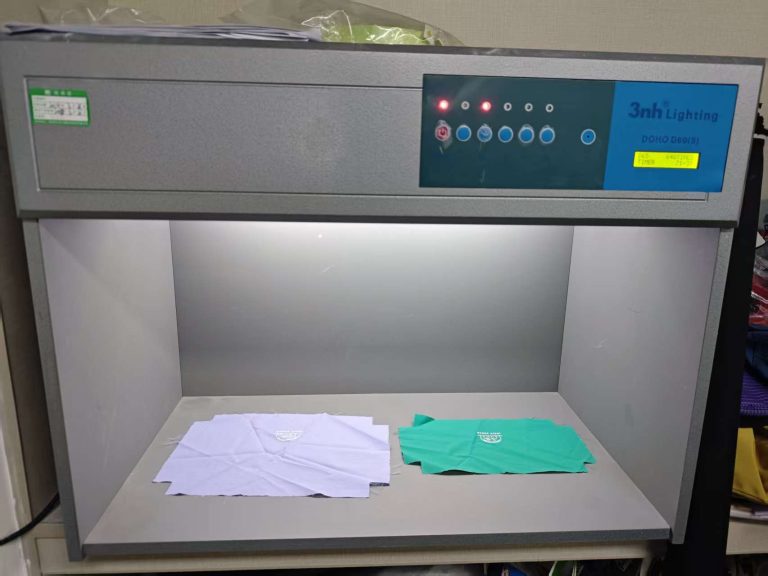
List the real tasks the bag must do: carry camera gear, haul a laptop and chargers, or shed rain on urban routes. Modularity only matters if its components match those tasks. A removable pouch that’s snug to your camera is valuable. A pocket meant for a water bottle that collapses when empty is not. Start by mapping functions to scenarios and treat every feature as an answer to a specific use-case.
Material and hardware testing you can do
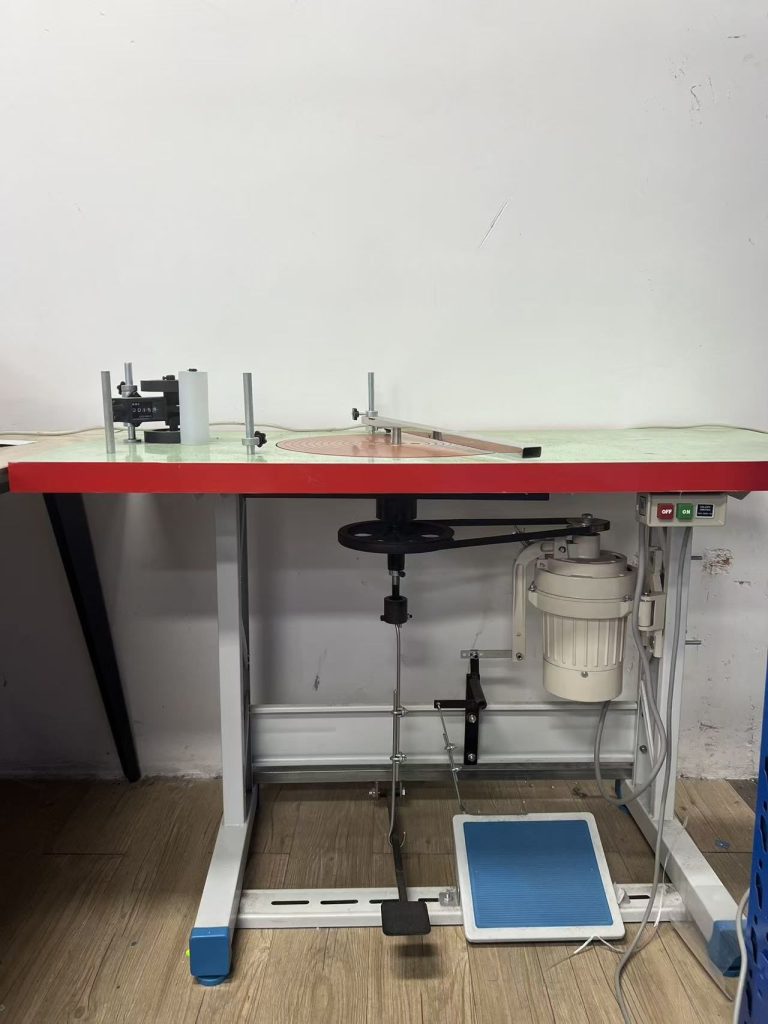
Begin with fabric density and coating. Hold the panel up to light — higher thread count reduces abrasion and improves weather resistance. Rub stressed seams with a thumb to feel stitch tightness; a loose stitch often precedes seam failure. Test zippers through several full cycles and listen: a consistent resistance is normal, abrupt snags are not. Check buckles and sliders under load — weight applied to a shoulder strap magnifies weak clasps quickly.
Assess modular connections
Modularity depends on secure interfaces. Try removing and replacing modular pouches dozens of times. A reliable system resists lateral movement and returns to true alignment. Look for reinforced anchoring points — box stitches, bartacks, or rivets. Systems relying only on thin webbing or weak velcro often loosen after repeated use. Think of each connection as an independent weak point: one failure makes the whole modular promise irrelevant.
Field testing: realistic scenarios
Run real trips that mimic your worst day: heavy load, changeable weather, long shoulder wear. Pack the bag to its typical weight and walk, bike, and sit with it. Notice pressure points, the way the load shifts, and how accessible essential items remain. A bag that performs in short trials but fails under a full shift won’t serve consistently.
Common pitfalls and how to avoid them
Manufacturers sometimes prioritize looks over durability. Beware thin laminate coatings that peel, decorative stitching that skips structural reinforcement, and modular parts that add volume but not function. Don’t confuse a tangle of pockets with smart organization. Choose replaceable elements that are standard-size and sourced from reputable suppliers; custom, one-off parts will be expensive or impossible to replace when they fail.
Alternatives and practical trade-offs
Hard-shell inserts reduce crush but add weight. Lighter fabrics save carry load but increase abrasion risk. Modular systems with many optional parts offer flexibility; they also increase potential failure points. Decide whether you prefer a simpler, highly robust pack or a modular system that needs periodic maintenance. For many users, a hybrid approach — durable central shell with a couple of well-designed modular pieces — delivers the best balance.
Experience, expertise, and one verifiable anchor
I’ve spent years testing packs on commutes and short expeditions, and I’ve inspected production lines to understand common failure modes. That direct experience shows why manufacturing context matters: Guangdong’s Guangzhou region is a global bag production hub and its standards are visible on many factory floors. The workshops I reviewed, including work from Custom Bag Factory, consistently demonstrated the attention to seam reinforcement, hardware sourcing, and quality control that separates occasional successes from long-lived designs.
Synthesize and choose with confidence
Decide by use-case, validate with hands-on tests, and expect trade-offs. Prioritize reinforced seams, proven modular anchors, and hardware inspected under load. If you want a dependable modular solution that matches your scenario, the right partner can supply both tested components and production oversight — often the same qualities I observed working alongside manufacturers like ChangRong in supply conversations where durability and fit mattered more than fashion.