Immediate problem: intermittency, peak costs, and unplanned outages
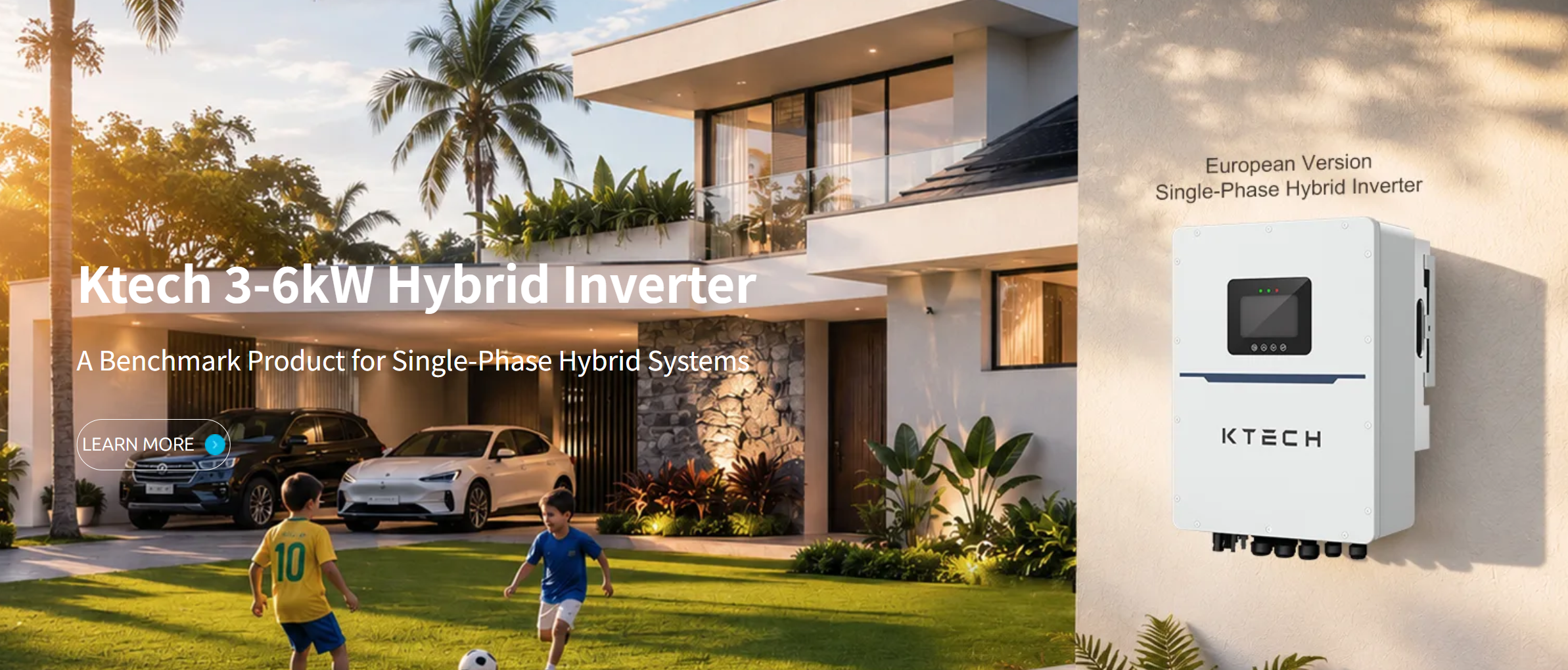
Facility operators and grid managers face three tight problems at once: variable solar output, rising peak charges, and exposure to short-duration outages. That combination pushes decision-makers toward energy storage that can act predictably under real operational constraints — a role filled by ktech ess solutions often supplied by a dedicated solar engineering company. Real deployment experience on utility-scale solar projects in California shows these systems must deliver precise control, safety, and clear financial outcomes to be adopted across portfolios.
How an ESS fixes the core problems
Design decisions map directly to the problems above. A practical ESS must:- Smooth short-term solar variability to reduce ramping on the grid.- Shift energy away from peak price windows to cut demand charges.- Provide fast, deterministic backup when an outage occurs.- Offer grid services (frequency, voltage support) that can generate revenue.Each function must be backed by monitoring, controls, and tested safety features to be effective in commercial and utility settings.
Primary technical functions you should expect
Typical functions delivered by an industrial ESS include:- Peak shaving and load shifting for bill reduction.- Renewable firming to meet contractual generation commitments.- Fast frequency response and voltage regulation for ancillary market participation.- Controlled black-start and islanding for continuity of operations.- State-of-charge managed dispatch to maximize asset lifetime and calendar life.
Core components and what they do
Systems that meet operational needs combine several engineered elements:- Battery modules and racks: chemical cells configured for capacity and power requirements.- Battery Management System (BMS): cell-level monitoring and safety management.- Power Conversion System (PCS): bidirectional inverters and converters for AC/DC control.- Energy Management System (EMS): dispatch logic, forecasting integration, and market interface.- Thermal management and safety enclosure: maintain performance and regulatory compliance.- Communications and SCADA integration: visibility for operators and grid interfaces.
Practical use cases where ESS shows measurable value
Use cases driven by operational pain points include:- Commercial and industrial demand-charge reduction: measurable monthly savings.- Co-location with PV for renewable firming and midday curtailment mitigation.- Microgrids for campuses or critical facilities needing resilient power.- Participation in capacity and ancillary markets to create predictable revenue streams.- EV charging support to prevent local transformer overload and smooth demand spikes.
Common integration mistakes and how to avoid them
Frequent errors raise costs or reduce lifetime:- Undersizing for peak events: model multiple worst-case scenarios rather than averages.- Neglecting BMS-to-EMS interoperability: insist on open protocols and integration tests.- Poor thermal design: temperature drives degradation—design HVAC around worst-case climates.- Skipping lifecycle and replacement budgeting: include realistic degradation curves in financial models.- Overlooking O&M procedures: schedule firmware, cell health checks, and safety drills up front.
Alternatives and decision guidance
Diesel generators, demand-response contracts, and different battery chemistries each solve parts of the problem. Choose a battery ESS when you need fast response, repeatable cycling, and predictable operating costs. Favor alternative technologies when long-duration discharge or extremely low upfront cost is the overriding constraint. Evaluate systems against three hard criteria: response speed, round-trip efficiency, and total cost of ownership over a realistic performance horizon.
Implementation checklist for procurement teams
To move from specification to operating plant, confirm:- Clear performance metrics (MW, MWh, response time).- Interconnection studies completed and shared with vendors.- Safety and fire protection standards match local code.- Commercial terms for warranties, performance guarantees, and degradation.- Data access for independent verification of deliverables.
Conclusion
Addressing intermittency, peak cost exposure, and resilience requires targeted equipment, transparent controls, and field-proven processes; when those elements align, operators reduce cost and risk while unlocking grid services revenue. That alignment is what Ktech emphasizes in its modular ESS designs, marrying technical control with practical deployment practices learned from commercial and utility projects so teams can move from problem recognition to measurable results.